The fact of the matter is there is no one ideal month for all, so it is a case of choosing your preference in a dry season versus wet season visit. For those that would have it any other way, the dry will deliver lower humidity and more reliable weather for your time on deck. But if you are not put off by the odd burst of rain or heat and want warmer water and to be away from the hordes, a wet season trip can be very good indeed.
Having made my home in Queensland for years, I know what I am talking about when I say the legendary reef landmark best time to go to the Great Barrier Reef has little to do with some polished set of weather figures and everything to do with the kind of traveller you are. Emily Whitmore here. Some of you will be after the visibility the dry season affords a scuba diver; others are thinking budget, or marine life, or not wanting to be drenched in sweat in Cairns before 9.00 am.
A Quick Comparison
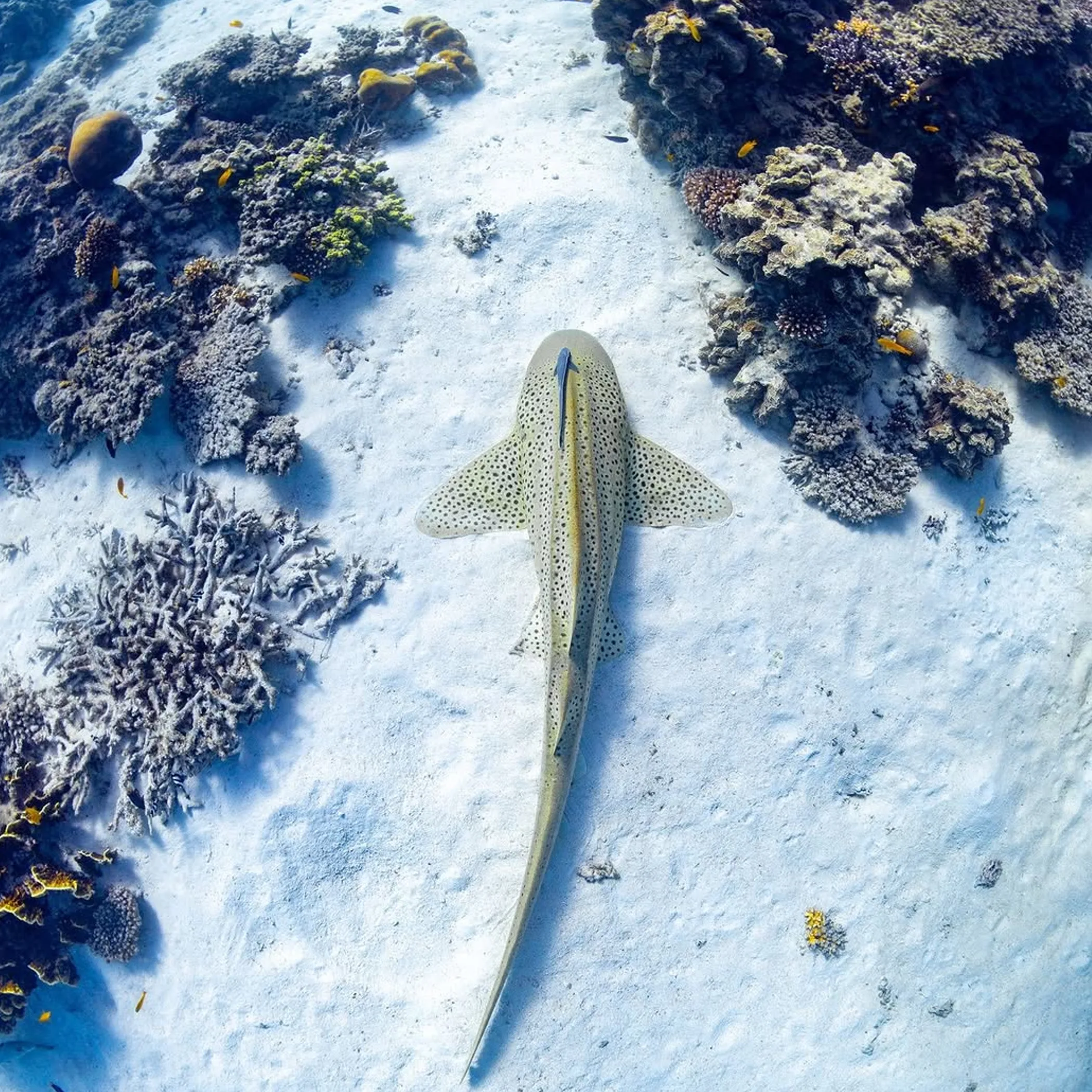
Need to make up your mind? In brief, the dry is the way to go for families and first-timers who prefer their planning unencumbered and do not relish the prospect of a tropical cyclone or heavy rain throwing a spanner in the works.
Then there is the wet. It is still a fine option for the more assured, flexible sort of traveller who does not require a postcard blue sky every day. And my view is that one tends to overreact to the wet while underestimating the crowds and the peak season squeeze in the dry.
| Factor | Dry Season | Wet Season |
| Typical months | May to October | November to April |
| Air | Milder, less humid | Humid, hot and sticky |
| Rainfall | For the most part lower | Higher, downpours included |
| Sea | More settled out on the outer reef | Choppier at times, but there are calm periods |
| Visibility | Varies day to day but often better | Offshore is good enough, inshore may see runoff |
| Marine stingers | Not much of an issue | Of greater concern in the Cairns stinger months |
| Crowds | School holidays mean more of them | Lighter when not in the holiday period |
| Wildlife | Dwarf minke whale, whales | Summer activity and coral spawning |
| Best suited to | Divers and first-timers looking for comfort | The repeat visitor on a budget |
Seasonal Calendar
Travellers are prone to the error of thinking “wet” is synonymous with unending rain and “dry” with flawless skies. You will find the weather in North Queensland is its own master; the difference between a wet and dry in Cairns is more of a pattern than a sure thing.
Practically speaking the dry is May to October and the wet November to April. The Bureau of Meteorology puts it down to a very seasonal climate in Cairns with summer bringing far more rain than winter, so a bit of a buffer in your plans and an eye on the Bureau of Meteorology forecast service is advisable.
By The Month
May and June are a pleasant time to be on the water, warm without the summer humidity. If you are wondering when to come to the Great Barrier Reef and want to do some sightseeing in Cairns to boot, July and August are where many will tell you the action is. September and October are fine as well, though you will notice the warmth creeping in come October.
From November to April it is hotter and wetter. There is no reason you can’t have some top notch days on the reef, but you have to put up with the trade-off in the form of steamy conditions and itineraries that have to be a little elastic.
Temperatures And Rain
Cairns in the dry will see you in the mid-20s to low-30s °C during the day; in the wet you are looking at low-30s °C and the humidity to match. The water is always swimmable and being warmer in the summer is why a few snorkellers put up with the sweat on land and enjoy the wet.
You would be surprised how people get hung up on the thermometer and ignore the humidity. When the air is as flat and sticky as can be, a 31 °C day in the wet can be an ordeal.
What The Sea Is Like
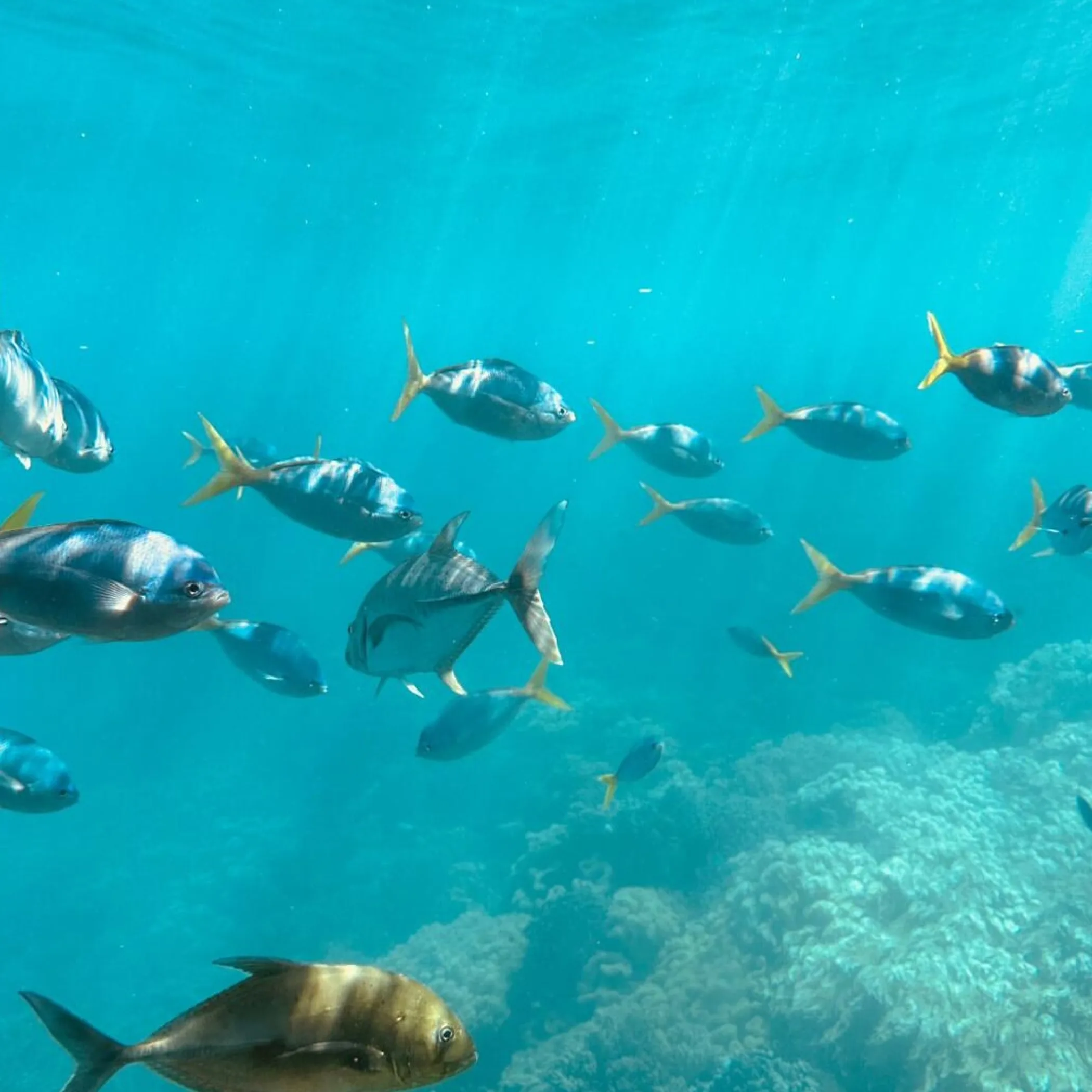
Should you be intent on some serious diving or pristine snorkelling, then the state of the sea and clarity of the water is what counts, not if it decides to shower on your hotel balcony at breakfast. The dry season has a reputation for a reason. Take it from Emily Whitmore and her rule of thumb: venture far enough offshore and inshore runoff is of little consequence, though you will find conditions are at the mercy of the wind, tide and what the weather has been up to. Then there is the question of whether operators deem a crossing to be safe and of any value, which dictates tour availability.
Divers’ Tendencies
When it comes to scuba, the dry season affords steadier going on the boat and visibility you can count on, particularly for outer reef itineraries out of Cairns or Port Douglas. Winter days are not invariably glassy but the sediment that comes with rain and the disruption of storms are absent, so the dry season’s reef visibility is as a rule more robust.
Do not make the mistake of thinking wet season visibility is all bad; an offshore reef will put on a good show in summer once the weather has settled. Still, if diving is the whole reason for being there and you have a single day to spare, my advice is to opt for a dry season run from Cairns or, where the conditions allow, book with a first class operator for the Frankland Islands.
A Matter for Snorkellers
Visibility is something you come to terms with later; what a snorkeller registers is the chop. A bit of wind and the ride is bouncy, legs get tired and one has less assurance in the water, coral notwithstanding. It is easier in the dry, which is why kids and novices tend to like it better.
I was on a summer excursion from Cairns where the water was bath warm but the crossing left half the boat with a pale look about them, quietly regretting breakfast. The reef was fine, the commute was not. You will not read that in the brochure.
Seasonality and Wildlife
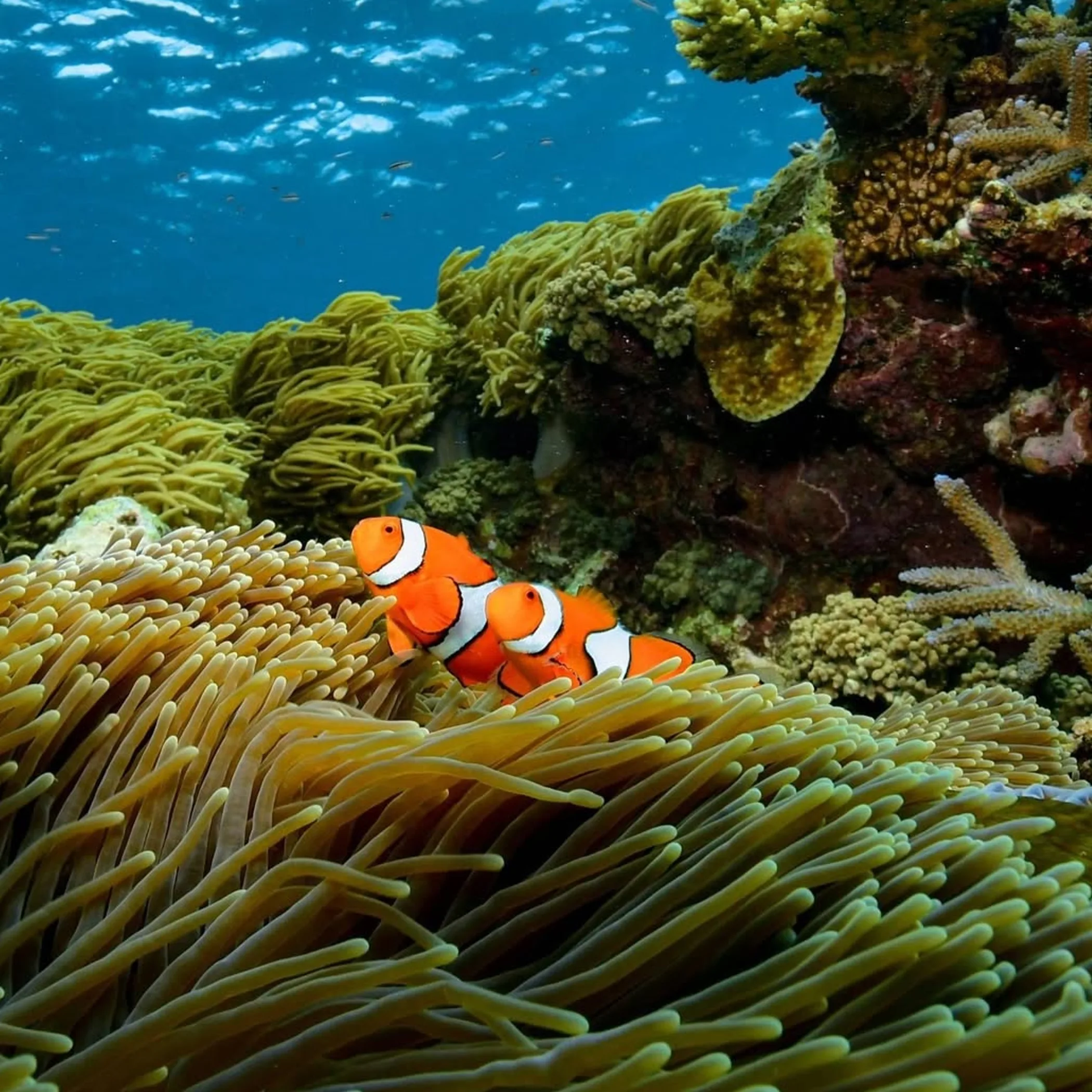
There is pleasure in the way the reef puts on a different face over the course of a year. If one is as much for natural events as for the comfort of the weather, then the seasons take on a new interest. In that respect the best time to be in Cairns may not be the same as for the Great Barrier Reef, for what is transpiring in the water is as important as the colour of the sky.
Winter Whales
The cooler months see the migration of whales and that is no small attraction. Humpbacks are to be had in the course of the migration and some northern reefs are noted for Dwarf minke in the winter. Make of the dry season what you will, but for wildlife it is hard to beat.
It pays to enquire as to the make up of a trip, be it for general snorkelling or for encounters with marine life. An Intrepid Travel or Whitsundays Sailing Adventures package will be put together in a different way to your typical day-trip outfit; look at what is included, not the headline.
Coral Spawning
You have your late spring to early summer spawning on the Great Barrier Reef, cued by the moon and warmer waters, location permitting. To the uninitiated it may seem a niche affair until you witness the reaction of the divers and the reef tragics. Research organisations like the Coral CoE have done much to educate the public but do not expect a spectator event on tap. Plan with some leeway and go with an operator who knows the local pattern instead of one that will promise the earth for a given date.
Stingers, Storms and the Like
Not the most entertaining part but necessary. One should have more respect for tropical water than for a lazy float in your local ocean bath. As Whitmore would put it, do not let fear get the better of you but the sea does not owe you an easy day either. Being stinger-wise in the water and croc-wise on land is what you do up north.
Summer Stingers
For many a family or first timer the prospect of marine stingers is reason enough to avoid the wet months of November through May. Yet with the use of stinger suits and the like many a reef tour goes ahead without incident. Do not confuse an offshore experience with a warning sign by the hotel pool. A proper operator will have site specific advice and the suits to hand. For those who are pregnant or have young children or are not at ease in open water, put some questions to them before you put down a booking.
Cyclones And Water Hazards
As for cyclones, the risk is there in the wet season from summer into autumn. There is no drama every week but then again flights and roads can be affected and a day trip cancelled.
Some realistic timing is in order when you are at the wheel in Cairns. You may find a route on the map is deceptively fast until you put it to the test with roadworks or a downpour and local flooding. And if there is but one day for the reef, do not put it on your last day of the trip and count on the weather to co-operate; that would be optimistic rather than well planned.
Crowds, Prices And The Way To Book
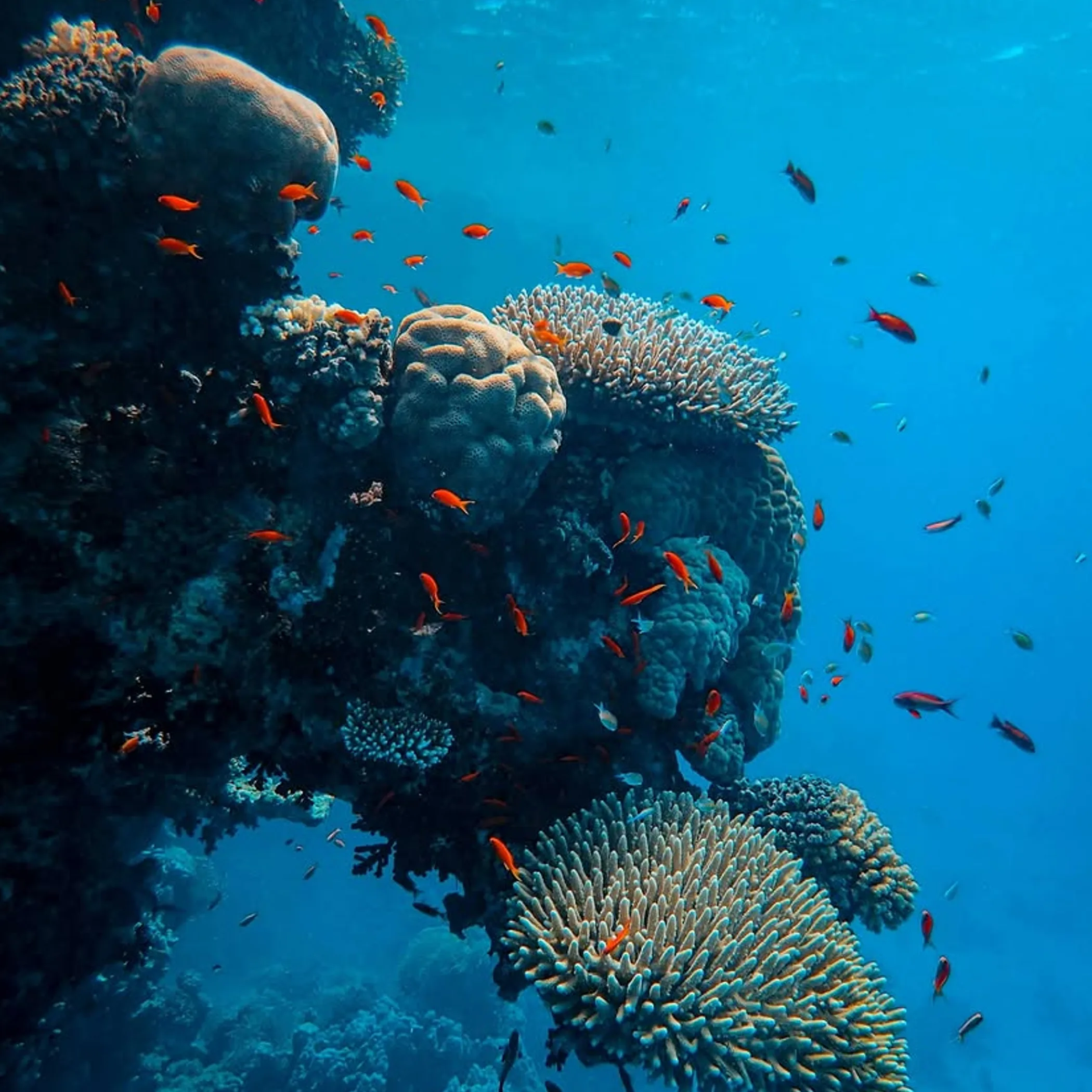
You will pay for comfort, and in the dry season you are likely to notice it. The same goes for flights, where you put up your accommodation and the going rate for a reef departure from the Whitsundays, Port Douglas or Cairns when the crowds and the season are at their peak.
There is value to be had in the wet, provided you can stomach the trade-offs. A lower fare is no bargain if it means your holiday hinges on a boat day being called off.
The Truth About Peak Season
Tours have a way of booking out early in the dry, particularly when Australian schools are on break. This applies to the premium outer reef excursions and the sort of combinations you might put together via an agent like Tropic Wings or Cairns Discovery Tours.
One should have some idea of the cost, though it is hard to generalise given the vessel, what is included and how you get there. For a full-day tour out of Cairns expect to be in the low hundreds of AUD an adult, and that is before any introductory diving or island transfers are tacked on. Families need to be prudent with their budget as the child’s “cheap” rate has a habit of snowballing once you factor in meals and the like.
Saving Without Making A Mess Of It
Shoulder months such as October or May and early June will see prices and competition come down while conditions remain good, so that is where the easy savings are. In the wet a more flexible traveller can put his name down for reasonable rates in Cairns.
But do not think a last-minute booking is always a smart move. In the dry you could be left with nothing or an operator of second choice. In the wet you might find a spot open on a day when the sea is churning like a washing machine.
When To Make Your Visit
That is the question: what is the best season for the Great Barrier Reef? It comes down to what you put stock in, be it value, wildlife, family arrangements or a bit of comfort.
For certainty the dry is hard to beat. But the wet will be less crowded and its own reward if you are able to put up with the heat and change your plans.
In Favour Of The Dry
A first timer or one with children in tow would be wise to go with the dry, as would anyone subject to seasickness or who has a lot of land-based exploring in Cairns in mind. If the budget is large and you do not want the niggling worry of the weather, it is the safer option. I would also recommend it if you have a Queensland itinerary that calls for a legendary reef landmark and you want a run of comfortable days to make of it, not just a single good outing.
Why One Might Prefer The Wet
If you are used to the tropics and the humidity and have a few spare days to be flexible about the weather, then by all means. Repeat visitors and underwater photographers after warm water will find it to their liking, as will those who put value ahead of predictability.
I would not put a nervous novice snorkeller or someone on a tight one-day schedule in the thick of the wet season, nor anyone ruffled by a turn in the weather. The reef is every bit as fine, you just have to have the right frame of mind.
Proper Packing And Planning
Make sure you pack for the season and not some notion of an endless summer. North Queensland has a way of making a fool of optimism born of under-preparation.
This is the sort of thing Emily Whitmore would have you put in order before you head out of the apartment.
- Dry season: a hat, light layers, a windproof for the boat, reef-safe sun habits, a small dry bag and anti-nausea medication if you are prone to it.
- Wet season: the above and quick-dry clothes, a spare shirt, grippy sandals, a waterproof pouch for the phone and the patience for sweat and timetable alterations.
- Then for any time of year: your swimmers and towel, a water bottle you can refill, booking confirmation, medical necessities and some cash or card for any extras in AUD.
A Word On Tours
They are not all the same. The pontoon trips with their facilities and structure are better for families and the uninitiated, giving them somewhere to fall back on if the water is too much. Leave the smaller boats to the scuba divers and seasoned snorkellers who are more concerned with the quality of the site. For those in the market for some island time with the added bonus of reef access, a day trip to the Frankland Islands is a sensible choice. Do not discount the weather and the logistics of the transfer however, or the time it will take. Make sure you have the details on your departure and return points, check-in, parking and if there is an extra charge for hotel pickups.
Book Smarter With Local Context
There is no need for all the faffing about when a bit of local insight can put the planning of a reef excursion in order. It is better to select your season and transport in a considered way than to be swayed by the first attractive picture of a boat you come across.
I am living in Brisbane these days and my advice to friends is to work backwards from how much energy they have left. Should they be arriving in Cairns late, I would not put them up to booking a dawn start the following morning unless stress is something they like to do for fun.
- If you only have 1 day: prioritise an outer reef outing from Cairns in the dry or at least the best weather you can find in the wet.
- Wary of the water? Go with a larger vessel or a pontoon operation where there are lifeguards and you can get in and out without trouble.
- When budget is paramount, shoulder months are worth targeting and one should be comparing what is included in full rather than the cheapest ticket on offer.
- Want to see wildlife? Winter is when to go for the whale migration and any specialist Dwarf minke excursions.
- Lack of flexibility in your plans means you should factor in a spare day and steer clear of times when storm risk is at its height.
Getting There And Around
By Queensland measures, the airport, marina and city accommodation in Cairns are all within easy reach of one another, making it the obvious place to launch a Great Barrier Reef tour. Taxis and rideshare are as common as airport shuttles and hotel pickups, though the latter may have early windows. Drivers would do well to ring ahead the day before to sort out opening hours and parking rates near the marina; not while one is in a rush with half a coffee and damp hair.
Operators such as Tropic Wings or the booking side of Cairns Discovery Tours can make things simpler for the regional traveller. But read the fine print on pickup. “Transfer included” might not extend to your holiday rental 14 km out of town but only to a certain zone of hotels.
Final Takeaway

The dry season is the most dependable way to go for a first-timer to Cairns and the Great Barrier Reef. One is less likely to have to contend with seasonal hazards and the humidity is lower, conditions for a day-trip are easier.
Yet if you are happy to put up with marine stingers and the odd change in the weather, the wet season has its rewards in the form of warm-water snorkelling and a thinning of the crowds. To be frank, choose the season that does not try your nerves or your finances and leaves you with some tolerance for tropical chaos. The reef is extraordinary either way, you just want to be on good terms with it.
FAQ
After “Will I see a shark?” and before they have put a rashie in their bag, this is what I am asked.
What Month Is Best To Visit Great Barrier Reef?
July through September is the safest bet for the majority. You will find good availability for tours and the sea is more steady, temperatures and humidity are agreeable, if week to week there is some variation.
What Is Dry Season Vs Wet Season?
North Queensland’s dry is May to October, the wet November to April. Expect the dry to be drier and less humid; the wet is hotter and you have to deal with stinger management and storms.
When Not To Visit The Great Barrier Reef?
You will not find a period where you are told not to go, but if rougher weather or the need for stinger precautions is unappealing, the peak of the wet is best avoided. If you have but one day and no give in your schedule, stay away from the highest risk of storm.
When Not To Visit Cairns?
In the wet the city is still going about its business but for some it is hard work with the heat and rain. Outdoor comfort is not what it is made out to be if you are not accustomed to the tropics.
Is Wet Season Always Bad For Snorkelling?
Not at all. Offshore reefs after the weather has settled can be excellent for it. The inshore is more susceptible to wind and runoff and the conditions are not so predictable, but that is the catch.
