One tends to put little stock in the importance of gutter cleaning for roof maintenance until one sees water making its way down an interior wall. Properly cleaned gutters will do their job of shunting rainwater clear of the garden beds, windows, walls and foundations. Then there is the matter of routine roof inspections to put a stop to any loose sheets or blocked valleys before they turn into an expensive affair.
I have made my living as a freelance designer and regional travel writer from Brisbane. You might say I am Emily Whitmore. Having put up with the odd mozzie that has a grudge and the likes of sudden deluges and Queensland’s humidity over the years, I can tell you that looking after your roof is not some weekend exercise in heroics but rather the sensible performance of unglamorous tasks. And boring is fine so long as it means the water stays where it should.
Before Storm Season: Put Some Protection In Place
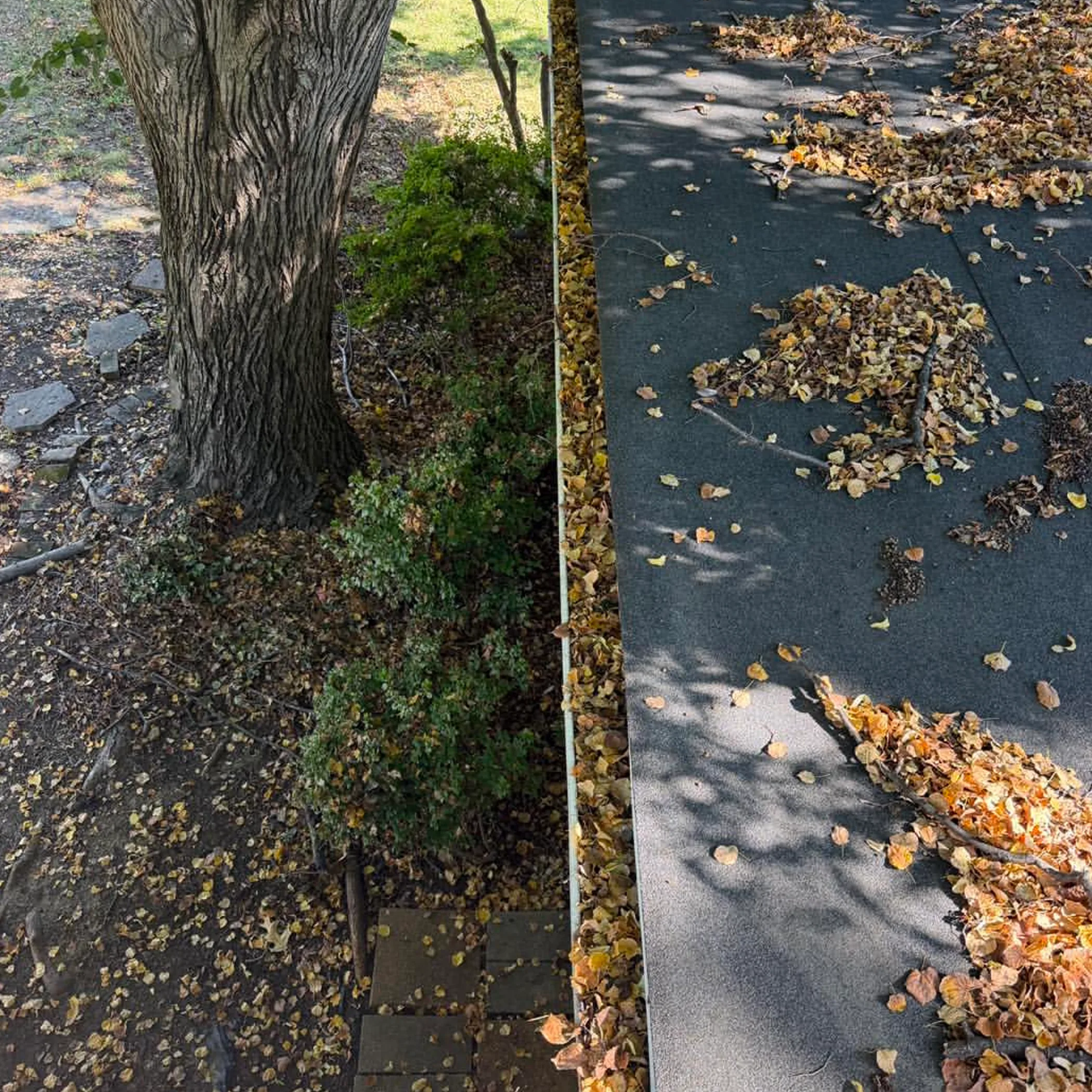
Do not mistake gutters for decorative metalwork on the edge of the house; they are the drainage system for the roof. Let the grit, seed pods and leaves accumulate and you will have water running up against your eaves, fascia boards and exterior walls.
The signs of such damage are at first subtle: a musty odour, some paint starting to peel or a damp spot. Only later does one put it down to the clogged gutter overhead. There is no universal calendar for this kind of upkeep in Australia given how the weather can differ from one region to the next. For guidance, see the recommended time of year for roof cleaning.
What Gutters Do For A Roof
Their function is to take the runoff via the downpipes to where it ought to be, sparing the soil, paths, cladding and brickwork from an uncontrolled flow of water.
Left to blockage, a gutter will retain moisture at the roof line. Salt and the damp air of the coast will hasten corrosion in certain metals. In the leafier parts of town, debris remains sodden for days. In bushfire country, dry litter is an unnecessary fuel load.
It is wise to consult the Bureau of Meteorology for any official warnings on tropical cyclones, damaging winds or severe thunderstorms before venturing out to do maintenance.
Homeowners Often Miss The Mark
Some make the error of thinking a once-a-year clean is all an Australian home requires. If there are large eucalyptus trees about, the property will want tending more often; a new build with decent leaf guards and not much vegetation will not.
Then there is the habit of only eyeing off the gutter channel itself. From the ground a roof may appear in order but the downpipe could be obstructed below the top, or a valley full of detritus. A tidy roof is not always a working one.
And when a leak presents itself, not everyone realises the covering has not necessarily given way. It could be a faulty seal at a penetration, displaced flashing or an overfull gutter. One does well to track down the source methodically instead of resorting to guesswork with a bucket in hand.
Australian Seasons And Maintenance

Brisbane, Cairns and Darwin have different moisture to contend with than a home in Melbourne, Adelaide or the west of the state. So the schedule has to be appropriate. Not to mention that extreme heat, wet underfoot and stormy conditions can make of a simple inspection a rough-as-guts afternoon.
Timing by the Region
| Region or condition | Useful maintenance focus | When to do it | Why |
|---|---|---|---|
| Queensland / northern N.S.W. | Stormwater discharge, roof drainage and clearing gutters | Prior to the wetter months, post any major storms | Blockages will be revealed in short order by the rain |
| Top End and tropical north | Inspect after bad weather and ahead of the wet | Cyclone season and in the wake of severe storms | Debris is liable to be driven on to the roof by wind and rain |
| Southern states | Flashing, tiles and downpipes; clear out the leaves | Autumn, before winter sets in | The risk of blockage is higher with deciduous leaves and cold, wet weather |
| Bushfire-prone | Dry debris removal in accordance with local fire rules | Ahead of the high-risk period | A hazard can form from leaf matter at the edges of the roof |
There is no one time of year that suits all. As a rule the roof should be stable, dry and safe to get to before the most trying weather of the season.
Weather Can Dictate The Work
Up north in the wet season you are dealing with tropical weather and intense rain. It is not a good idea to be on the roof in the midst of it or right after; the gutters will be full of fast water and everything is slick.
Autumn in the south of Australia is a good time to be clearing fallen leaves ahead of the winter rains. Yet after an extended dry period the debris will be brittle and dusty; put on some eye protection and do not go about rousing mouldy matter without it.
Roofing can be perilously hot in a heatwave. The early morning might offer some respite, provided there is light and the surface is not wet. But if there is a severe weather warning, lightning or high winds, it is best to put off any work. One does not want to make headlines over a gutter.
More Than A Gutter Line
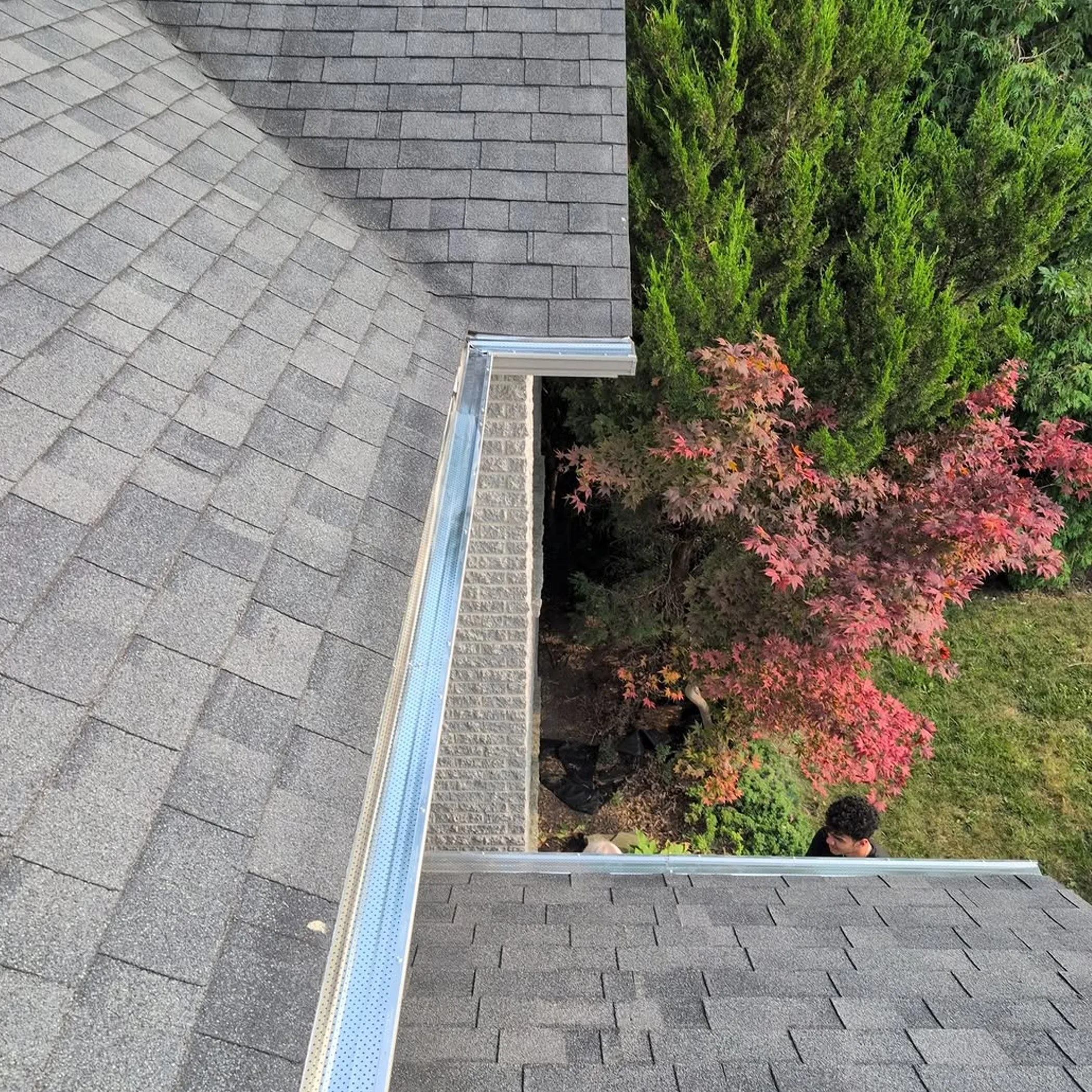
Gutter cleaning is part of a broader roof maintenance programme. Debris removal has its place but it is not going to fix a broken tile, a corroded screw, loose ridge capping or compromised flashing.
A prudent inspection is done from the ground until one has safe access to get higher. Do not be taken in by the appearance of a ladder or a roof sheet and think it will bear your weight.
Areas To Examine
One should be on the lookout for sagging in the gutters, rust, water marks under the eaves, loose brackets and joints that have come apart. See if the downpipes are discharging at a distance from the building and if rain has left pools near the footings.
Tiled roofs may have cracked or missing tiles; with metal ones check for rust, damaged sealant and any fasteners or sheets that have lifted. Roof valleys and box gutters in particular need a look as they are where the runoff and detritus will accumulate.
As for solar panels, evaporative coolers, antennas and skylights, these present their own penetrations and edges. Leave any climbing around such equipment to a professional with the right qualifications.
Trouble Will Show Itself
- Water stains or paint bubbling on an upper wall or ceiling.
- Gutters running over with nothing more than ordinary rain.
- Vegetation in the channel of the gutter.
- Rust, gaps at the joints or a section that sags.
- Loose tiles, an exposed fastener or faulty flashing.
- Downpipes emptying right up against the foundations.
Then again, a single sign is not always indicative of the problem. A mark on the ceiling could be condensation, a leak, plumbing or an overflow from above. If one is not sure of the source, have it inspected instead of slapping on some product from the hardware store.
Access That Is Safe And Sensible
Falls are a risk in roof maintenance, on multi-storey or steep and fragile roofs for instance. In an Australian home you will find your way made difficult by power lines, pergolas, garden beds in the way of the ladder and so on.
Where a house is single storey and the ground is safe, an extension pole or the like will suffice for a pro. But a high roofline or anything that makes access hard is ample reason to engage a qualified roofer.
Putting Things In Order
Make note of the roof type, how many levels there are, the length of the gutters, any trees in the vicinity or solar set up before you book. Photographs from the ground of any issues will allow a contractor to give an accurate quote and avoid the prospect of unearthing more work part way through.
See that children and pets are out of the way and put away outdoor furniture. Inform the contractor of any access restrictions, alarms or gates. If a trailer or ladder truck cannot get to the property, the quote may reflect that.
Enquire as to what is covered in the service: debris and downpipe removal, a written report, photographs? Make sure of the insurance and safe-work practices and whether roof repairs are in scope or something for another trade.
Australian Indicative Costs
| Service | Indicative cost (AUD) | Variables |
|---|---|---|
| Basic gutter cleaning | $150-$400 | Volume of debris, regional location, size of the house and number of storeys |
| With downpipe flushing | $250-$600 | Additional testing, blocked pipes and hard to reach outlets |
| Moss treatment or roof clean | $300-$1,500+ | The material, pitch and area of the roof, the method of treatment and equipment required |
| Inspection and minor repairs | Usually quoted on inspection | For leaks, rust, broken tiles and the like and materials to replace them |
Take these as broad figures for budgeting purposes. Get a quote in writing and see what it entails. An exceptionally low one could mean the downpipes, waste disposal or any follow-up are not included.
A Maintenance Checklist

It is useful to have some records for future contractors and a routine helps to spot trouble. Retain photos of major work, particularly where there is a history of storm damage or leaks.
- From the ground, have a look at the gutters and downpipes.
- Have a professional or use safe means to get rid of the leaves and organic matter.
- Flush the downpipes as needed to be sure the water can get out.
- Make an inspection of any metal sheeting, tiles, flashing and the edges of the roof.
- A check of the roof space will show if there is any dampness, mould or daylight coming in, as well as telltale signs of insulation that has been compromised.
- Note down any defects and have them put right by someone qualified in time for the next bout of bad weather.
Under no circumstances should a pressure washer be brought to bear on roof coverings unless one is fully versed in the material and what the manufacturer says. The force of the water can strip away protective coatings, drive it where it does not belong and scatter debris to hard to get at corners.
Plan For Real-World Situations
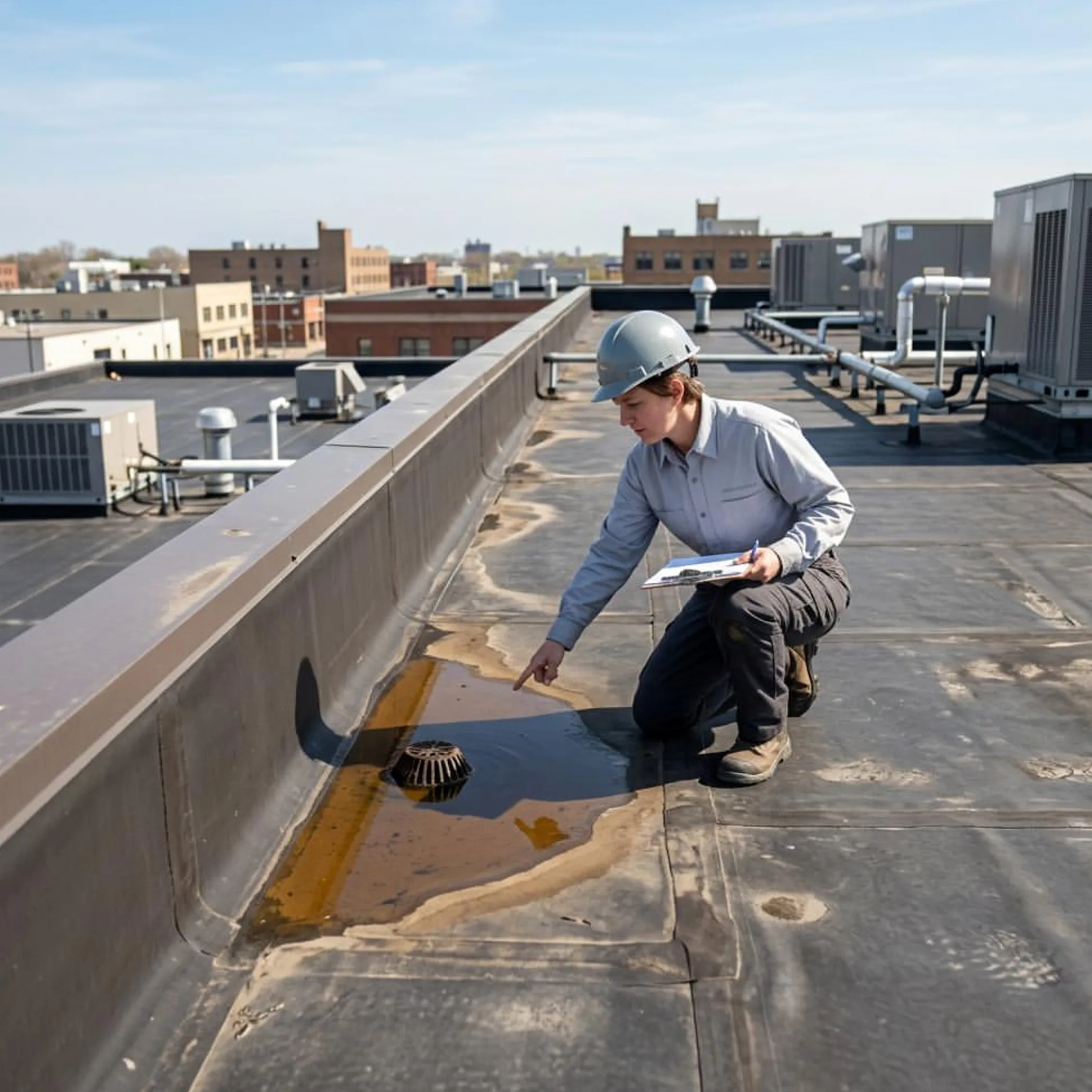
Maintenance needs to be something a busy household or renter can manage, as must an older person who has no desire to be perched on a ladder come Saturday. And in Australia the weather has little regard for the calendar so that too has to be factored in.
If You Only Have One Day
Make a start on the gutters you can see, the downpipe outlets, roof valleys and anything over a stain. Put a camera to everything before you set to work. As for steep roofs or a covering you suspect is leaking, leave the inspection to a professional.
Should rain be in the forecast, do not put yourself on the roof to get ahead of it. Opening up a ground-level downpipe might be a stopgap but it is no reason to make unsafe access of the roof sensible.
Who Should Leave DIY Alone
Those with a height problem or no steady way to a ladder are best not to attempt gutter cleaning. Equally, a home with a multi-storey or fragile roof is not the place for it. Power lines, high winds and wet surfaces add their own hazards.
Some materials in an old roof can be hazardous and the age of the structure may be in question; in which case get some expert opinion before making a move of it. The roof is not going to give bonus points for character.
Answering Common Roof Questions

The bulk of questions about roof maintenance are really about safety, timing and whether what is on display requires prompt action. These answers are a good place to begin though an on-site assessment is called for with structural issues or a serious leak.
How Often Should Gutters Be Cleaned?
Once or twice a year is sufficient for most homes although those under a lot of tree cover will want to look more often. After a heavy storm or when the leaves are falling, or following tree work nearby, have a look. Debris and the rate of water flow will dictate the interval.
Can Blocked Gutters Damage A Roof?
They can, leading to overflow and dampness at the edges of the roof and on the fascia boards and walls. Do not think a bit of cleaning has put an end to a leak however, as blocked gutters are not always the culprit. Valleys, flashing, tiles and the roof space warrant a check.
Is Roof Cleaning The Same As Gutter Cleaning?
Not at all. With gutters you are clearing the drainage channels and perhaps flushing the downpipes. To clean the roof of lichen, moss or dirt is another matter and how you go about it is dictated by the condition and type of material.
Should I Clean The Roof Before Selling?
A presentable roof and gutters in order can be helpful and point up any defects prior to an inspection. But do not do cosmetic work to conceal a problem. Keep your invoices and photographs and be upfront with any damage.
What Happens If A Roof Starts Leaking?
Put a container to catch the drips and stay clear of electricals. Move what you can from the vicinity of the leak. In the event of a storm do not go out on a wet roof. Call in a professional and make it urgent if the ceiling is sagging or water is getting near to electrical fittings.
Keep Water Moving Away

There is a point to cleaning gutters in that they are part of the drainage system. Regular checks will uncover a blocked downpipe or the first hint of a leak and spare you the expense of an emergency or internal mould.
For the Australian home a local, seasonal approach is most practical: inspect before the leafiest or wettest time of year and after any severe weather, and call in a pro if it is not safe to get up there. A clean gutter is no panacea for a roof but it is the simplest thing to put right.
Emily Whitmore
