In the coastal regions of Australia, one has to be on top of things with metal gutters: regular cleaning, sensible preparation for tropical weather, storms and salt, not to mention checking for the first signs of corrosion. From the ground a gutter may appear in fine nick of shape but the coastal air will tell on any steel, aluminium, fasteners or roof edges.
I am Emily Whitmore. As a writer from Brisbane and a regional traveller I have had my share of Queensland’s sun, the rain that comes down in sheets, salty air and wildlife in places it ought not to be over the years. What one learns is straightforward: give your coastal gutter system some care before it is dripping on the front door, at which point it is but a part of the trouble.
Protecting Gutters From Rust
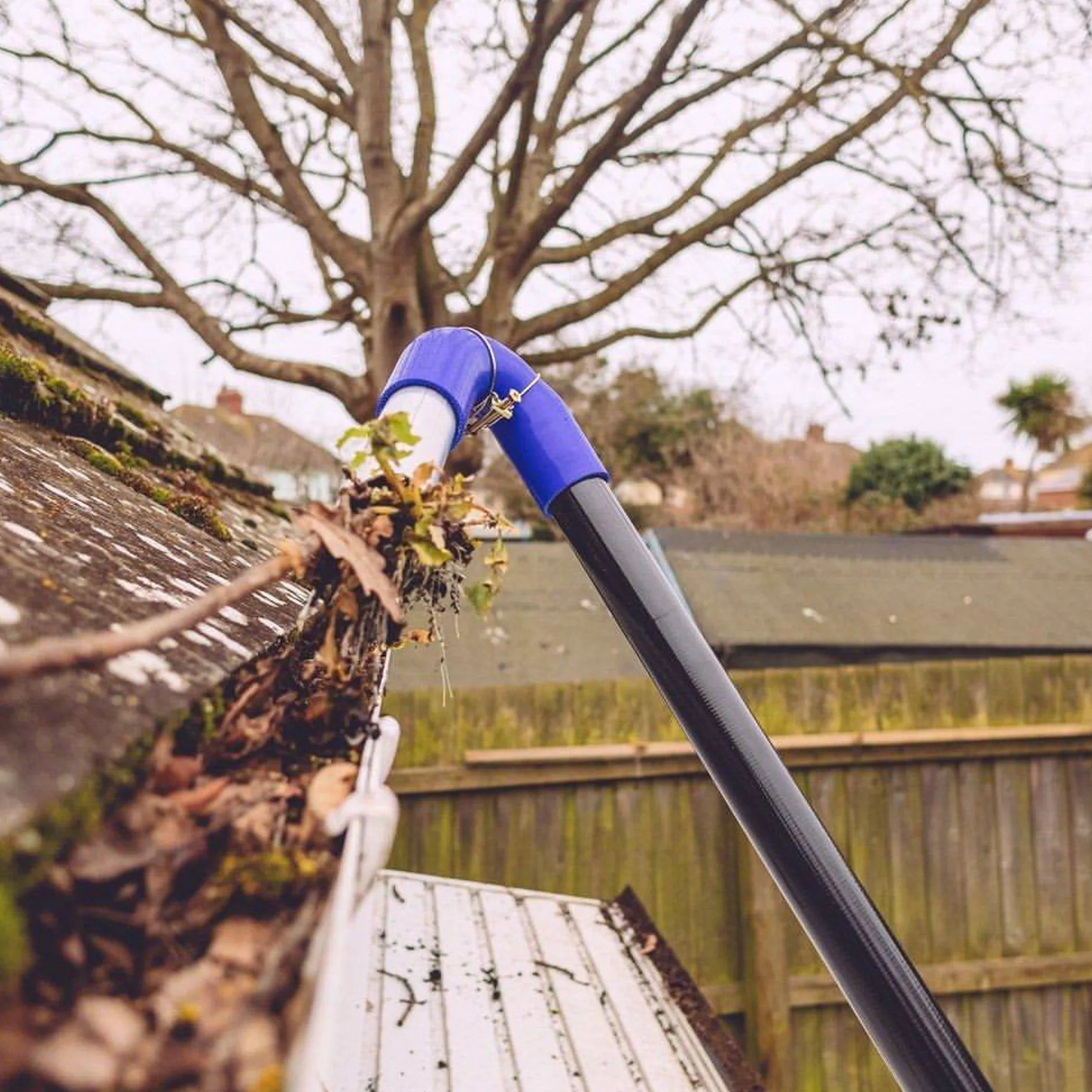
Left to their own devices, salt deposits will draw in moisture and hasten the corrosion of cut edges, screws, brackets and joints. An inspection and a rinse is all it takes to keep a small orange blemish from turning into a sagging gutter or a costly roof job and ruined fascia.
There is no call for most homeowners to be at it with a scrub brush every week. What is required is a routine you can put in place that makes allowance for the kind of metal you have, the trees around, storm season and local exposure. See this Australian metal gutter comparison for context.
Know Your Exposure
If you are right by the beach the salt will be more of an issue than for those a few kilometres back, but then again wind has a way of taking it further than you would think. The same goes for properties off an open headland or near tidal creeks and estuaries where the air is laced with salt and dampness.
Make a point of looking at the seaward side of the roof; prevailing winds will cause the external fixings, downpipe outlets and gutters to deteriorate sooner. And if paperbarks, eucalypts or palms are in the vicinity, the leaves they shed can be more of a bother than the salt.
Match The Metal
Galvanised steel is protected by its zinc, yet exposed fasteners and cut edges are vulnerable when standing water and salt get at them. Aluminium will not rust like steel but it is prone to pitting and staining, especially where coatings are damaged or it is in contact with other metals. With colour-coated steel go easy; pressure-washers and caustic chemicals will ruin the finish. Stainless is for the most part resistant though it can still succumb to tea staining or inferior fixings.
| Gutter Issue | What It Means | How to deal with it |
|---|---|---|
| Orange spotting | Surface rust or a coating on the way out | Inspect the metal and fixings, clean and dry |
| White powdery residue | Coating breakdown or oxidation of the aluminium | Rinse and seek some advice before putting on a new coat |
| Dark staining at the joints | A sign of failed sealant or water in the seam | Have a look at the joint seal and brackets |
| Sagging line | Support is lacking or an outlet is blocked | Get it cleared and have it inspected |
| Screws that are loose or rusty | The fascia is moving or the fastener is corroding | Put in something of a better grade for the coast |
A Routine For Twice A Year
Two good inspections annually is a sound rhythm, with more after a cyclone or heavy rain. One might use spring and autumn as a prompt, but consistency is what counts. Enter it in the phone and make sure everyone in the house knows about it, rather than trying to recall after a long weekend with a barbecue and too much sunscreen.
Cleaning And Inspection
Binoculars from the ground are best to begin with. You will see peeling paint, rust trails, an overflowing corner or a downpipe come away, and water marks under the eaves. A gutter can be holding water even if it seems level. Only go inside to check if it is safe to do so. Don’t wash sludge and leaves straight into the downpipe where they will form a plug at the bends; put on gloves and put them in a bucket.
Flush the sections with the hose and see how the water behaves. It should make its way to the outlet, not pool or find its way through a joint. Should it back up, the problem could be in the downpipe or underground stormwater, not just a dirty gutter.
Use A Coastal Cleaning Method
Fresh water does a fine job of getting the salt off. In the wake of bad weather, give the gutters, downpipes and any exposed surfaces a good rinse with clean water; this is all the more important for a home near the ocean. Should you encounter residue that will not budge, a soft brush with some mild detergent will do the trick before a final, thorough rinsing.
Leave mixing of cleaning products alone and do not resort to bleach unless the manufacturer says it is alright. There is no need for the like of strong chemicals which can harm protective coatings or make their way into the garden and waterways. For most part, patience and a soft brush are better than what a pressure washer might put on as a show of force.
Lap joints, mitres, end caps and where dissimilar metals come in contact should be given close scrutiny as salt has a habit of building up in such crevices. While dry is preferable for an inspection, some dampness will tell if there are leaks once the hose test is under way.
Stop Corrosion At Weak Points
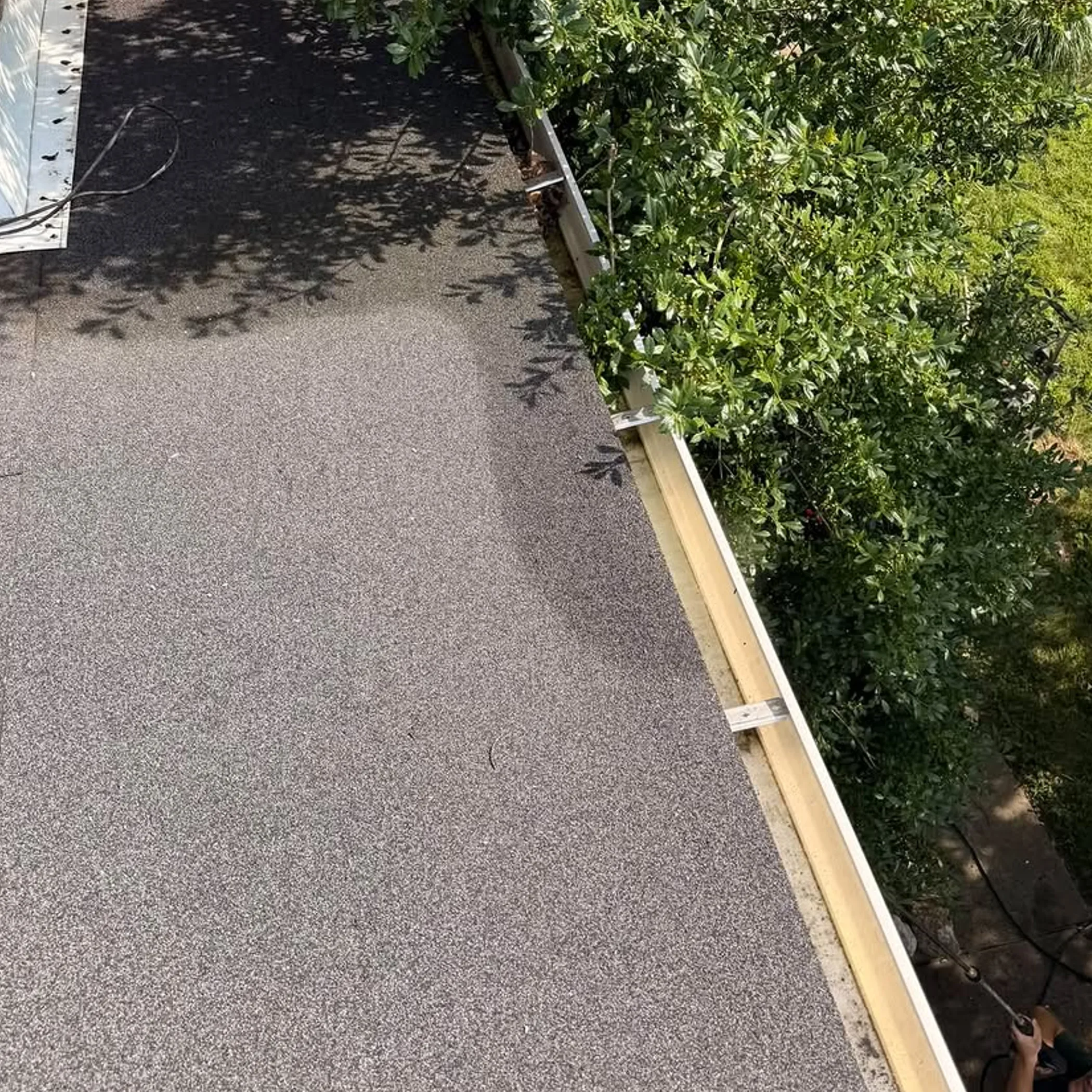
A coastal gutter left to corrode will not usually see it happen in the middle of a sound run. More often it is at a joint, screw, bracket, cut edge or scratch, or anywhere water is prone to sit. These spots warrant more than a cursory look. Dealing with it early is less of an intrusion and costs less than having to put in a new run, not to mention it keeps water off the timber fascia, soffits, insulation and interior plasterboard.
Check Joints And Fasteners
Be on the lookout for rust streaks, pinholes, soft sealant or paint that is bubbling or flaking. Put a plastic tool to any area of concern rather than a screwdriver. You will soon know if the metal is going to puncture or flake at the slightest provocation, in which case a patch is only a temporary fix.
Materials for fasteners must be of a compatible kind. The wrong screw or bracket in a wet, salty place invites galvanic corrosion from the contact of unlike metals. A gutter installer of experience will put in the right fixings for the exposure and system at hand.
One should not be tempted to paint over active rust without first seeing to the surface and getting rid of loose material. It may be presentable for a few weeks but the corrosion is there under the finish. If the coating is badly done or the gutter is out of shape, replacement is the sensible thing to do.
Keep Water Moving
Coastal conditions are hard enough on a gutter without standing water to compound matters. Make sure the outlets are clear of sand, roof grit and leaves, that the fall is as it should be and brackets are secure.
Downpipes ought to empty into an approved drainage or stormwater point and not be allowed to run against the footing of the house or leave a damp mark by the wall.
Do not think that leaf guards mean one can be hands off. Blossom and fine debris from the coast will accumulate on top of them and impede the water. They can also make it harder to get at the edge of the gutter.
Prepare For Australian Storms
What a light shower does not show can be laid bare by the intensity of our rainfall. A tropical downpour will have a system overflowing if leaves have made a bed of themselves at the outlet.
The Bureau of Meteorology is the place to check for tropical cyclone information before any outdoor work or working at height. In the north the season runs from November to April but one should not be complacent outside those months.
Inspect After Severe Weather
When a storm has passed, see if any branches are on the roof, if downpipes are blocked or if a section of gutter has been dislodged or dented. But do not go climbing on a wet roof or about where power lines have come down; let a licensed professional handle it if the damage is not apparent from the ground or access is unsafe.
There will be other tell tale signs below the roofline after heavy rain: fresh marks on the fascia, peeling paint, damp under the eaves or erosion at the downpipe. Take a photo of it for the insurer.
Wear your gloves, eye protection and proper footwear when dealing with roof debris; there can be broken tiles, animal matter and sharp metal about. And if a wasp nest or snake is in the gutter, step back and have it removed. One has enough of the unexpected in coastal life without putting a hand in where it does not belong.
Know When To Stay Down
Not every home is amenable to a DIY approach to gutter cleaning. If the ground is not level, the roof steep or the gutter is a storey up and three points of contact cannot be kept, stay off the ladder.
Do not prop it on a fragile edge or have it anywhere near power lines. With a two-storey property, engaging a professional with the right equipment is often the most economical and safe course of action.
- For storm damage, roof access and the like, engage a contractor who is suitably qualified or holds the proper licence.
- When you put in a request for major repairs, be sure to get an itemised quote in AUD and stipulate that coastal-grade fixings are used, as well as a repair scope that is easy to understand.
- Make certain of what is covered in the service, including disposal of debris, outlets and downpipes.
- And do not leave the site before you have photographed any leaks or corrosion.
Budget For Preventive Repairs
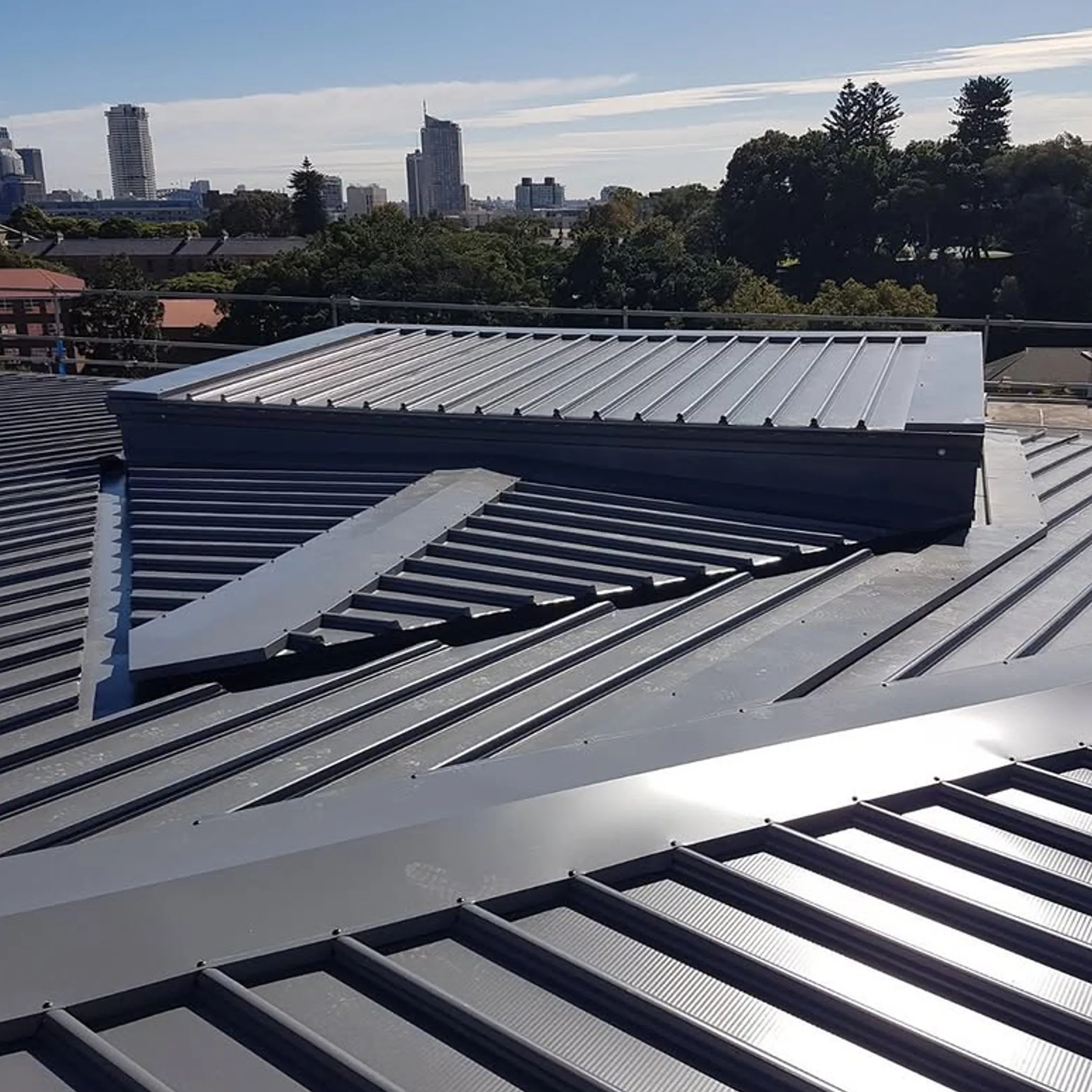
The cost of maintenance is dependent on how high the roof is, the length of guttering, tree cover, how bad the corrosion is and so forth. In Australia one can budget a few hundred dollars for a no-fuss clean on a single storey; allow more when access is hard or there are blockages and repairs to be made.
You will normally see separate quotes for the likes of replacement sections, sealants, brackets and work on downpipes. Do not put too much stock in online price guides, they are only rough estimates and the final number may be affected by travel, regional labour or demand from storms.
A metal gutter comparison in Australia will put some perspective on things when you are looking at quotes and advice, showing how galvanised steel, aluminium, stainless or colour-coated systems differ. But the lowest priced material does not make for good value if the installation or fixings are not right for the site.
Repairs By Risk
First order of business is to deal with anything that has the potential to detach a gutter, harm the fascia or direct water at the building. A stain is cosmetic and can be put off for a while, but a leak near electricals, a blocked downpipe or a loose piece over an entrance is something else again.
Have the contractor put you straight on whether the problem is systemic or local. It makes sense to change a rusty screw if the rest of the metal is in good order, but if every bracket along the run is corroded it is false economy.
One Day Of Maintenance
Make your one day count by attending to the downpipes at the garages and living areas, all the outlets and the most exposed part of the roof edge. You will get the best return for your time.
Be realistic about the time needed though, a session should include safe set up, an inspection of the roof edge, flushing and clearing discharge points and putting things to rights afterwards. Steep ground or wet weather can make short work of a job very slowly.
Coastal Checklist
Get out your gloves, bucket, hose, soft brush and eye protection, a phone for photos and a ladder if you need one. Only work in calm, dry conditions and call it a day if you would have to put yourself in an unsafe position to reach the roof.
Start with the seaward side of the gutter and move to the corners, joints and downpipes. Then after you have done the flushing, walk the perimeter of the building to see where the water is landing. You will spot the odd thing from the ground that eluded you from the ladder.
Reality Check
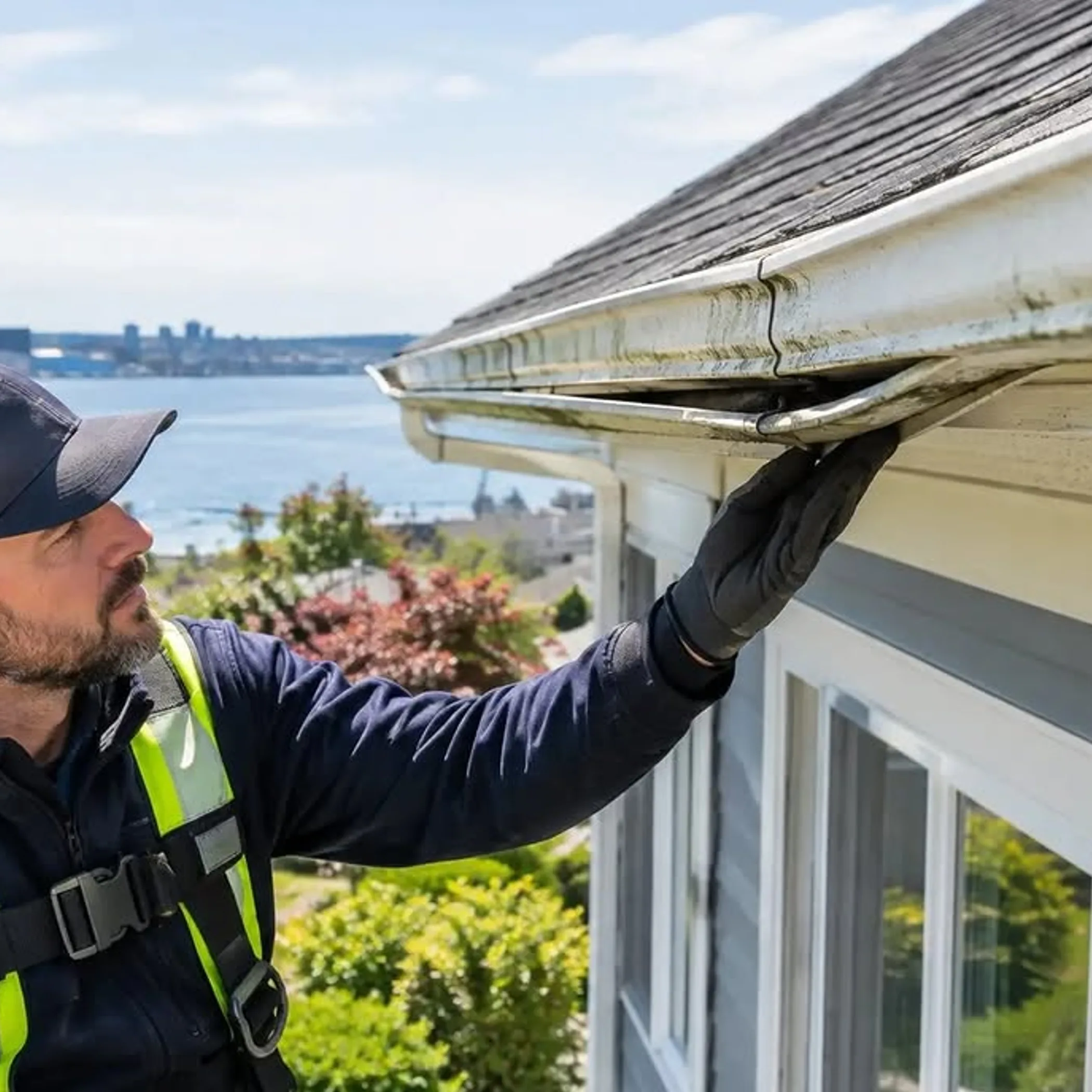
You might think stainless or aluminium is maintenance free. In reality salt and leaves, poor falls and the wrong fasteners will still cause staining and leaks.
A leaf guard is no panacea for blockages, under trees in particular it requires cleaning.
A small rust mark could be more than cosmetic, it can be an indication of a failed coating at a joint letting water to the fascia.
And do not be tempted to save time with a pressure washer; too much pressure will ruin coatings, send dirty water over the walls and force its way into the roof space.
Working The Roofline
Salt, standing water and minor damage are the three things to keep on top of for the longevity of your coastal gutters. Two inspections a year and getting on top of corrosion when you see it will stave off a lot of repairs.
I have a simple rule: give the surfaces a rinse, clear the outlets and take a picture of any changes. Get help before a gutter is a safety issue. Better to have some routine than a weekend of fluster with a ladder and rain coming in to the dunny wall.
Questions On Coastal Gutters
How frequently to clean?
At least twice a year for a thorough going over is called for in most houses, more so if you are beachfront, have an involved roofline or are under a lot of trees. Add extra checks in the wake of a storm or heavy leaf fall.
Will salt air put a rust on galvanised?
It can. There is zinc to protect the steel but a scratch or cut edge and you have a vulnerable spot. Rinsing and early intervention will slow it down but sometimes you have to replace.
Is aluminium the answer by the ocean?
It can be, provided the alloy and fixings are of a quality to match. But given enough time with salt and water sitting in it, pitting and corrosion will set in.
Does a leaf guard do away with maintenance?
Not really. They will keep some of the bigger debris out but you will find sand, blossom and grit on top of them. Give it and the outlet a once over when water starts to go around the gutter.
Selling up?
Put right any visible corrosion, detached bits or a blocked downpipe before you list the place. Have your invoices and photos to show for it. Some buyers will appreciate the preventative work, whereas covering something up with paint is just a problem in waiting.
