Under the 2026 Australian Working At Heights Regulations it is incumbent on a business to put in place appropriate controls and do away with any fall risks that can be reasonably practicable to eliminate before work commences. Do not think of there being some national height after which safety becomes a matter of choice; the law will ask if injury could result from a person falling from one level to another.
Emily Whitmore has put together this guide to make sense of WHS regulations across Australia, from scaffolding and ladders to harness duties and the nuances of different jurisdictions. In short: have a rescue plan, train the worker, control the edge and plan the job. No hard hat is going to prevail over gravity.
Australian Working At Heights Duties
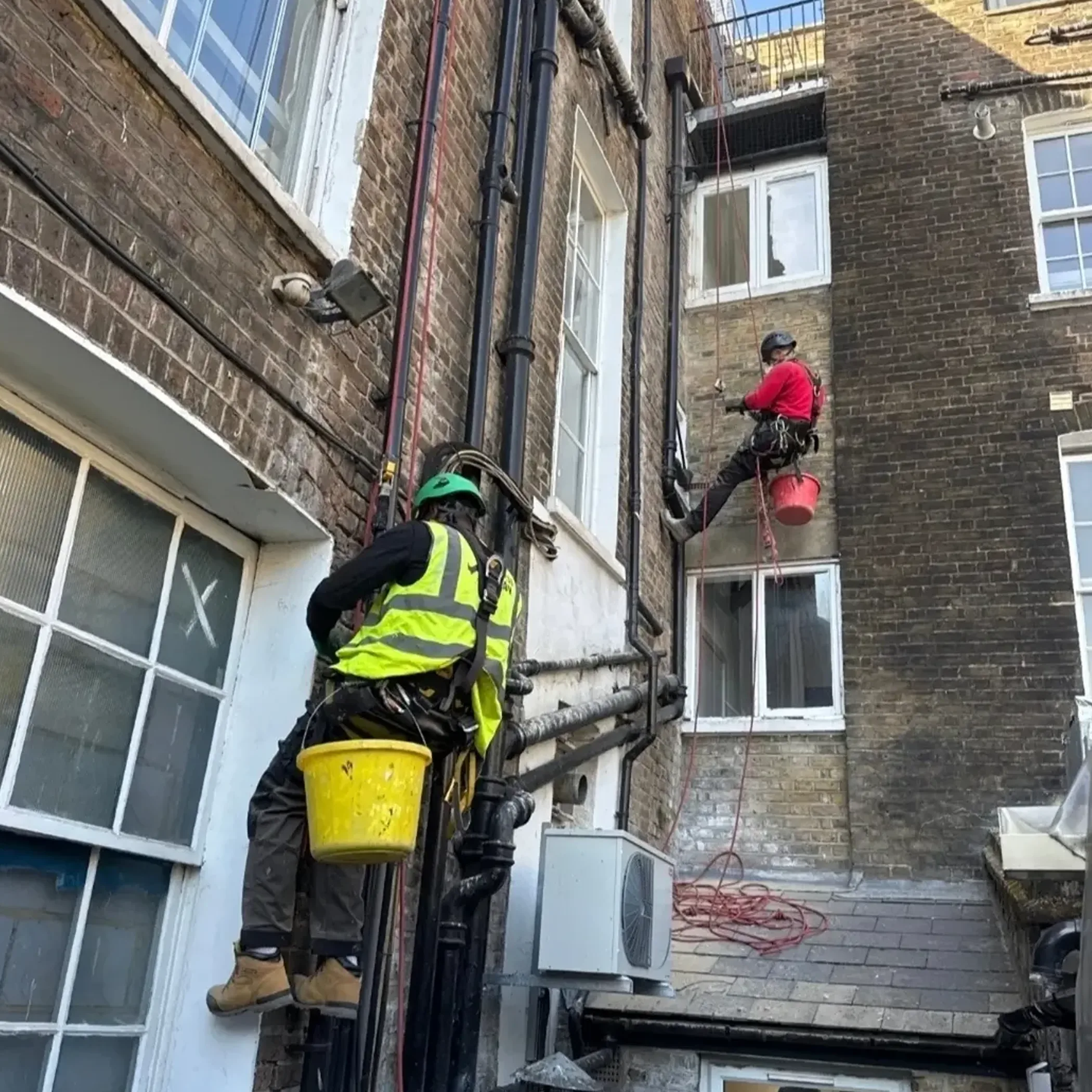
It is a question of risk management as much as measurement when working from heights. One need not be above a commonly cited threshold for a fall off a mezzanine, loading platform, trench or low roof to do serious damage.
The model WHS Regulations are clear: a PCBU must manage the risk of a person falling from one level to the next. In doing so the PCBU will take into account the work environment, the equipment, the surface and the likelihood and severity of an injury. These requirements support high rise safety compliance Australia.
While Safe Work Australia offers model guidance, the WHS Act and the regulations of the particular state or territory are where the rules have legal standing by way of their own regulator and enforcement. It is best to check with the relevant regulator rather than put stock in a national summary. For falls from heights there is guidance to be had from Safe Work Australia.
What The Law Will See
The issue is whether the work presents a fall risk with a reasonable chance of injury. This covers open voids, fragile roofing, trestles, elevated work platforms, unprotected edges, roofs, ladders and scaffolding.
A system in compliance with the law will have its paperwork in order: inspection records, emergency arrangements, training and information for competent supervision and the right equipment. And the documentation should be of the job as it is done on the ground, not some generic template left in a drawer since the last federal election.
Is There A Legal Maximum?
Not in the sense of a universal figure across Australia for working without the necessary safety controls. The 2-metre mark is much talked about in construction but it is not carte blanche to overlook a fall risk under that distance.
In the case of high-risk construction work in model WHS jurisdictions, a risk of a fall in excess of 2 metres will call for a Safe Work Method Statement prior to starting. So the 2-metre line has bearing on SWMS obligations, but the duty to manage all foreseeable fall risks remains. Consider a short platform over concrete, machinery or rebar; a fall there is more perilous than onto a clear surface and a proper risk assessment will look at the landing, not just the tape measure.
The Deception Of The Two-Metre Rule
Supervisors are often found out for regarding 2 metres as a safe minimum. The trouble is the duty to manage risk of a fall from one level to another is separate from the height threshold for high-risk construction work.
Controls may be called for at less than 2 metres if one is working by an unprotected void or near a roof edge or fragile sheeting. Temporary work platforms and loading areas are no exception.
Construction Work And The SWMS
Where the WHS regulations deem construction work to be high-risk a Safe Work Method Statement is a requirement. That would include work with a risk of a person falling more than 2 metres.
The SWMS needs to set out the hazards and risks of the high-risk activity and the control measures, and how they are to be put in place and reviewed. Those affected by the work should have access to it. Documents for working at heights ought to be site specific, covering everything from plant movement and weather to what is to be done in a rescue and how conditions might alter.
The Hallmarks of a Good SWMS
A SWMS of any use will set out the work in the order it is to be done. One will find it detailing how an injured worker is to be retrieved, where materials are put away, the means by which workers get on to the roof, and the installation of guardrails and the checking of anchor points.
Yet the review is where most go astray. A signature does not mean a SWMS is done. Any change in the work, a failed control or an incident of some kind (including a near miss) calls for a review, as do new risks from the site or the weather.
Where the work is not of a construction nature, there may be no legal compulsion for a SWMS just because someone is at height. The PCBU is still answerable under the relevant OHS or WHS regime for adequate supervision, instruction and risk controls.
South Australia and Western Australia
In these two states one has to be more circumspect; their regulators and laws are not the same. What might pass as sound national policy in a model WHS jurisdiction could be wrong or wanting for a worksite in WA. The 2026 way to go about it is to determine the jurisdiction and then verify the legislation and what the regulator is saying. There is no question of the duty to manage fall risks, though the regulation numbers, licensing and the like can vary.
Model WHS Laws in South Australia
SafeWork SA is the administrator of the WHS Act and Regulations in South Australia. In the course of business the model WHS Regulations should be taken into account, not least those that pertain to high-risk construction and falls between levels.
Any risk assessment in this state needs to encompass ladders, scaffolding, elevated platforms, fragile surfaces and unprotected edges when it comes to roof work. Should the work be classed as high-risk construction, the PCBU will have to put a SWMS in place prior to commencing. It is well to consult SafeWork SA for their latest view on matters such as cranes, temporary access and other unusual conditions.
Separate Rules in Western Australia
Western Australia has its own framework with the Work Health and Safety Act and Regulations. An older document or site may make mention of the Occupational Safety and Health framework and OSH Regulation 3.55, so a business would do well to see which applies for the work in hand.
With regard to fall prevention and the like, the guidance from WorkSafe WA is key. Do not be under the impression that a citation of WHS Regulation 79 holds in WA; check your legal duties and regulation numbering against the local framework. For a contractor travelling from Perth to the Pilbara or out to a regional site, making sure of the jurisdiction is not a case of red tape for the sake of it. It is to avoid putting in place a procedure that is not suited to the site or the regulator.
Preventing Falls
Decisions on working at heights ought to be made with the hierarchy of controls in mind. Best is to do away with the need to be up there altogether. Failing that, put in place controls to preclude a fall rather than depend on something to catch a person once he has fallen.
And the control has to be fit for purpose and kept in order. A ladder on uneven ground, an anchor point whose capacity is in doubt or a guardrail taken down for a delivery are no system at all.
Applying the Hierarchy
Elimination is the aim: redesign a component of the building, employ remote tools or put together equipment on the ground. Substitution offers a method of access with less risk. Then there are the engineering side of things, from elevating work platforms to edge protection, guardrails and scaffolding.
As for administrative controls, one has procedures, signage, exclusion zones and supervision. PPE in the form of safety harnesses and fall arrest systems has its place but should not be the default if a physical control of a safer nature is at hand.
Roof work in particular warrants a closer eye. Sheet metal that seems solid can give way without notice. Crawl boards, covers, roof ladders and safe paths are often called for.
On Ladders, Scaffolds and Harnesses
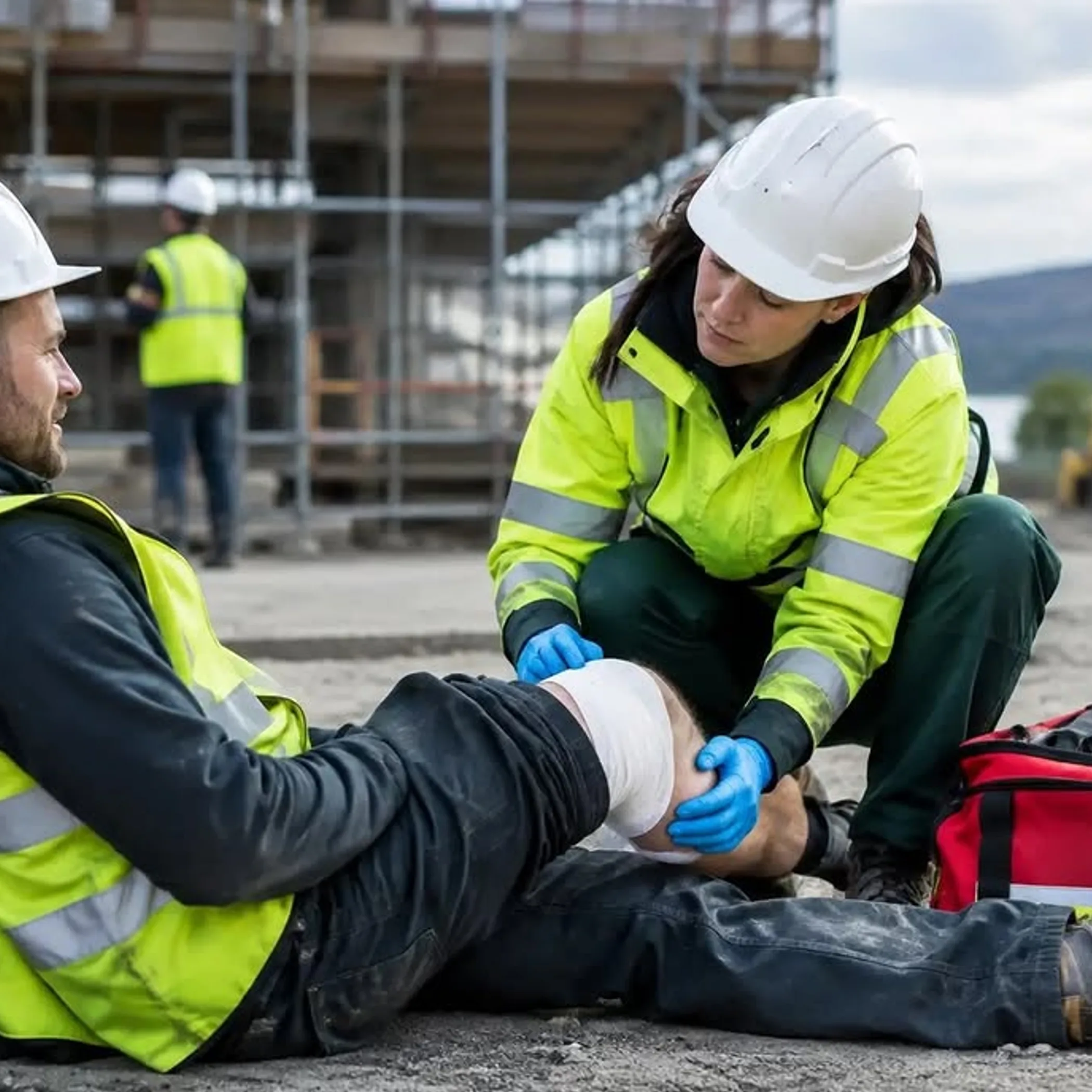
A harness is not a free pass to work in any location. To have a proper system one requires training for the worker, a rescue plan on hand, inspection, the right anchor points and compatible equipment.
Fall arrest will mitigate the effects of a fall but the risk is still there. Before selecting a system the possibility of swing falls, suspension trauma, lack of clearance or a slow rescue should be factored in.
Equipment Expectations
The onus is on the user to ensure scaffolding can take the load and has been put up in proper order; only those with the requisite competence should inspect or make any changes. Where the high-risk work licensing rules apply, a licence will be called for on scaffolding jobs, for instance when there is a possibility of a person or object falling in excess of 4 metres.
As for ladders, they are best reserved for light duty of short duration in the absence of a more practicable way to gain access. They must be stable and set up as the manufacturer would have it. But do not put a ladder in place of edge protection if the job at hand involves extended time on task, the need for two hands or the carrying of unwieldy materials.
| Work Situation | Primary Risk | Practical Control | Extra Check |
|---|---|---|---|
| Roof work | A fall from an edge or through fragile sheeting | Prevent roof access if you can, otherwise have guardrails, edge protection and safe access in place | Look over the weather, anchor points and state of the roof |
| Scaffold access | Unprotected edges, an incomplete platform or collapse | Have the scaffold erected by a competent hand, with the right platforms and guardrails, and subject to inspection | Make sure you are aware of the load limits and what the licence calls for |
| Ladder task | Slipping, overreaching or having to climb with materials | For short work a stable ladder is appropriate | If feasible, put a platform in its stead |
| Harness work | Swing falls, delayed rescue or fall arrest | Certified anchor points and clearance with a system that is compatible | Run through the rescue plan and see to the equipment |
State And Territory Differences
While the safety logic behind working at heights is consistent across Australia, one will find the particulars vary according to location. This summary is to put you in the right frame of mind before a contractor puts forward a form he is used to.
| Jurisdiction | Regulatory Starting Point | Practical Focus |
|---|---|---|
| New South Wales | WHS Act and Regulations (79) | Fall risk management, SWMS, construction thresholds and supervision |
| Victoria | OHS Act and Regulations | What WorkSafe Victoria has in mind for roof work and fall prevention in construction |
| South Australia | WHS Act and Regulations | Risk management and high-risk construction per SafeWork SA |
| Western Australia | Work Health and Safety Act and Regulations, some older OSH Regulation 3.55 references | Scaffolding, roof safety and the like under WorkSafe WA |
| Queensland, Tasmania, ACT and Northern Territory | Model framework local WHS | Any variations and regulator guidance on construction duties |
Do not mistake these for the legislation itself. A business with operations on either side of a border would be well advised to have procedures for each jurisdiction instead of simply putting a different logo on a template.
Compliance Checklist For PCBUs
Your compliance system needs to be sufficiently detailed to account for your decisions yet practical for a site in full swing. Use this as a final run-through prior to commencing work.
- Put every fall risk on the table: voids, edges, falling objects, access and fragile surfaces.
- Determine if a safer method or ground level will suffice.
- In choosing controls, follow the hierarchy and give precedence to eliminating the risk.
- Is a SWMS in order? Verify if the work is classed as high-risk construction.
- See that the workers are up to the task and the equipment, and are properly trained and overseen.
- Before use, go over the scaffolding, harnesses, anchor points, ladders and so forth.
- Ensure the necessary licences are in hand for plant or scaffolding.
- Factor in the elements: wind, rain, heat, lightning, visibility and how one gets about the site.
- With fall arrest systems, a rescue plan should be in place and known to all.
- Any time there is a change in the work team, equipment, weather or the job itself, one should review the controls.
The Plan Must Suit The Site
Controls are only as good as site access. A worker might get to a roof without incident but then be confronted by an unguarded transition, a walkway in the way or a poor way back. So put in place your parking, delivery and pedestrian zones, storage for equipment and emergency access before a ladder is even put to use.
Regional work has its own demands: long travel, heat, patchy mobile signal and the prospect of a slow emergency response. In northern Australia a routine can be undone in a moment by slippery ground, cyclones or wet-season rain. Down south it is the wind, cold mornings or summer bushfire rules that will have a bearing on timing and access.
I am Emily Whitmore and I have made my share of errors in travel and at work to know that conditions do not always conform to the neatness of a plan. For that reason a sound system will not penalise a worker for voicing concerns; it makes space to halt and alter the method if need be.
Frequently Asked Questions
You will come across these in contractor briefings and toolbox talks, or in some less comfortable exchanges when an internet rule is put forward with all the confidence in the world and none of the accuracy.
What does Australian law require for working at heights?
Under WHS or OHS legislation the PCBU is responsible for fall risks. That means putting in place controls in accordance with the hierarchy, whether that is to eliminate the height work, put up edge protection, scaffold, train the workforce, check over equipment or have a rescue plan in order.
2026 brings what key changes to workplace laws?
Do not look for a national 2026 rule on height-work to supersede state and territory obligations. One needs to go to the jurisdiction where the work is being done and verify the regulator’s guidance and the standing legislation. Western Australia operates under its own set of terms and framework, South Australia for the most part adheres to the model WHS.
Is there a maximum height you can work at with no safety?
Legally there is no height at which you can simply overlook fall controls. While 2 metres is the number that comes into play for SWMS duties and high-risk construction in model WHS jurisdictions, any risk of injury below that mark still has to be managed.
When is a harness called for?
There is no one size fits all answer as to the height. If more sensible fall prevention is not reasonably practicable a harness is in order, provided it is supported by the right anchor points, clearance, training, inspection and a rescue plan.
Will a high-risk work licence see you through all height work?
Not every task at height is covered. The licence is for certain activities like some scaffolding and plant operations. It is up to the employer to make sure the right licence and level of supervision and competency is in place for the work in hand.
Height Work Should Be Predictable
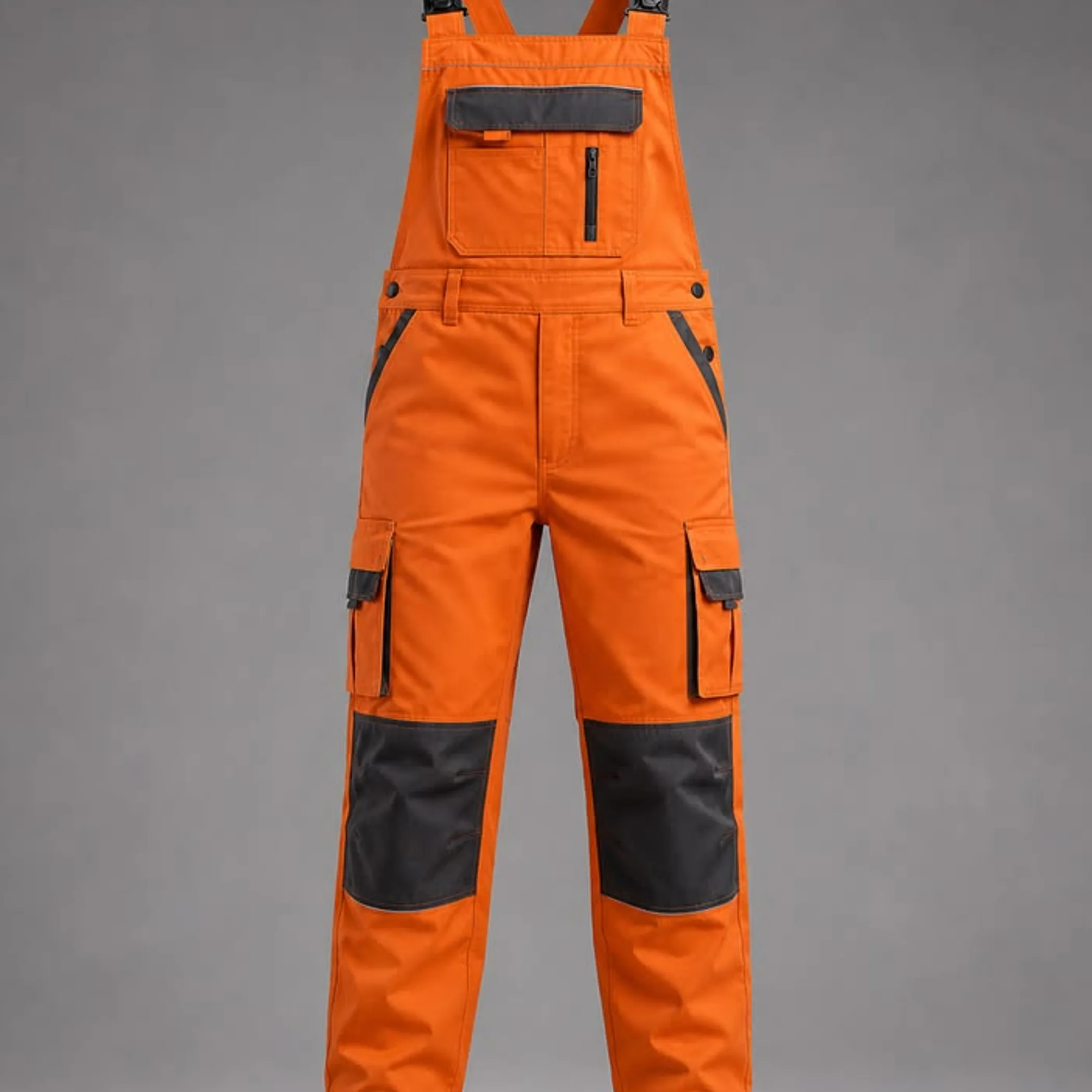
The 2026 regulations in Australia are not hard to deal with if the business concentrates on the facts of the matter: how people will be rescued, what they could land on or fall through, how they will make their way to where they are standing.
Identify the risk, see what the jurisdiction says and apply the control that is most practicable. Let the risk assessment or SWMS be a living document as things change. In this way decisions are clearer and high rise safety compliance is better ensured across Australia.
