Causes of Roof Leaks in the Victorian Era
The usual suspects behind a roof leak in a Victorian home are tiles that have cracked or slipped, gutters on the block, defective flashing, ridge capping in disrepair and materials past their best, not to mention shoddy workmanship. Then again, in Melbourne and the rest of Victoria one does not have to wait long for gale force winds, hail, storm debris or a sudden change in temperature to lay bare any minor weakness.
By Emily Whitmore
Writer from Brisbane and a regular in regional Australia, I have come to appreciate that water has a way of not appearing where it made entry. There is no point in prodding at a damp spot with a broom handle when the ceiling stain could be metres from the source; a measured inspection is called for. Here is what Melbourne homeowners can expect when spotting leaks in Victorian roofs, what is safe to put your eye to from the ground and the time to put in a call to a roof plumber.
Likely Culprits
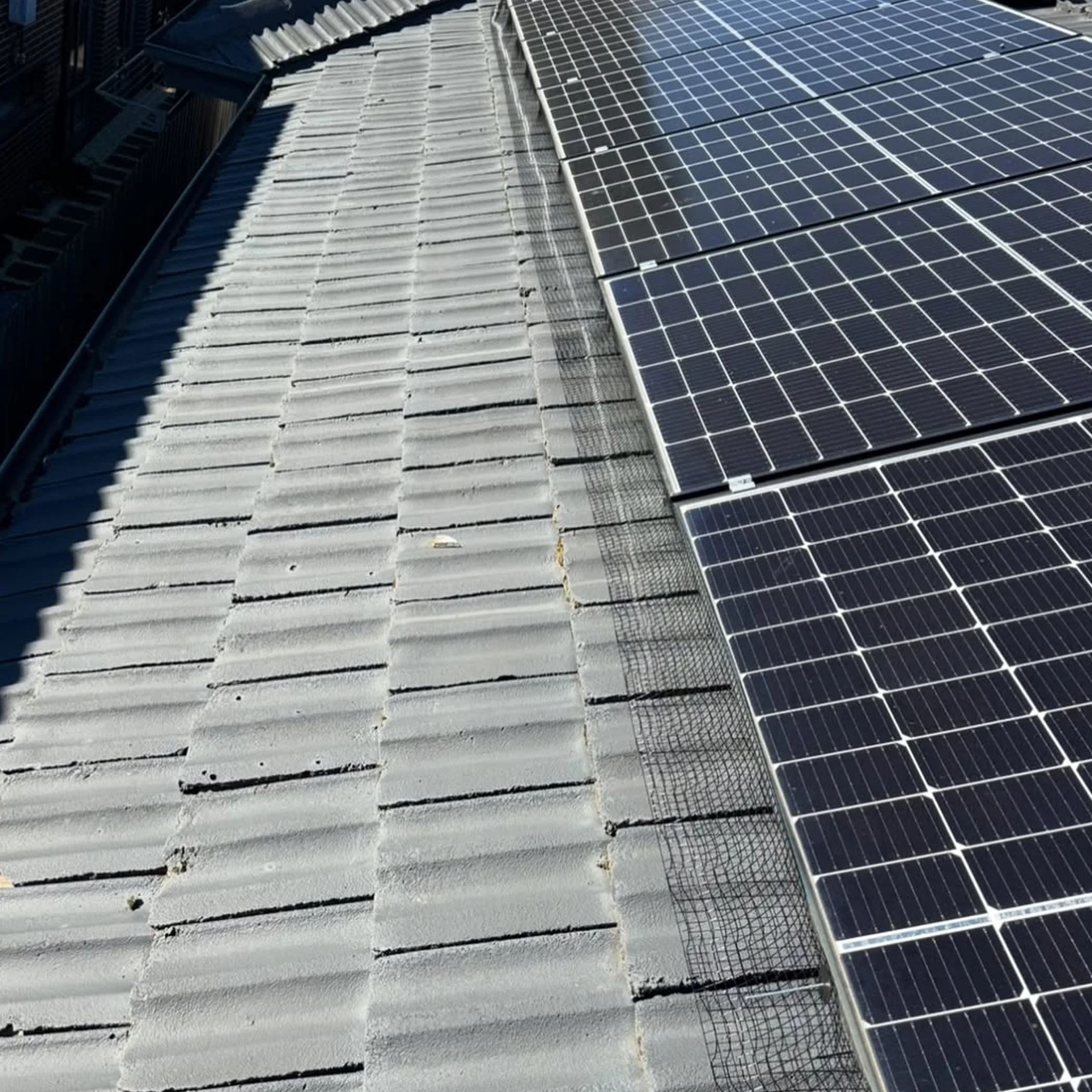
You will find most of the roof leaks Victoria homeowners have to deal with are the result of a few perennial problems as opposed to a single dramatic event. Being familiar with these patterns is good for an accurate description of the trouble and to forestall a small leak from making a modern art piece of your ceiling.
With older properties you have to be more circumspect. Decades of patching and extending can leave a roof that is all very presentable from the street but the underlay, timber supports and flashing are having a bad day.
Tiles That Have Cracked Or Moved
Age will make terracotta and concrete tiles porous, chipped or cracked. A fissure lets water get under the covering and if tiles have slipped they form an open channel for wind to push rain into. Inspection limitations and related issues often contribute to undetected roof problems in Victorian homes.
Hail, foot traffic, a wayward branch or the roof structure settling over time will do this. You may spot a broken tile in the aftermath of a storm but a hairline crack is hard to discern from below. And a tile that has worked its way behind a ridge or an overhanging bough is easily overlooked.
Unless you have the training and gear, do not go walking on a tiled roof. The load can break them and a wet surface makes a ladder seem like a poor choice of equipment. Binoculars from the ground will show you any exposed underlay or rows out of true.
Gutters And Downpipes
It is easy enough to stave off the blocked gutter, yet they figure in many a call-out for a roof leak. Debris of one sort or another, from leaves and bark to moss, will impede the flow of water so it goes under the tiles or behind the eaves instead of away from the roof.
A downpipe in the same condition will cause its own issues. Even a sound roof covering will not stop a full gutter from running over against the walls and ceilings in a heavy downpour. Rusted gutters are prone to pinholes or splitting at the joint so the water runs behind them.
There Is No Place For Water To Go
One millimetre of rain on a square metre is about a litre of water. Do the maths for a 100-square-metre roof and you are looking at 100 litres per millimetre before you factor in pitch and runoff. If the downpipe is obstructed, that water must go somewhere.
Telltale signs of an overflow are mould on the cornices, dampness in the ceiling near the eaves or stains on the outside wall. See if there is any sagging in the gutters, rust or peeling paint and wetness under the downpipe outlet. Where there are large trees about, a look after the wind has been up is as much part of a Victorian roof maintenance routine as anything.
- From the ground, check for overflowing or sagging gutters, missing downpipe connections, rust, peeling paint and water marks below the eaves.
- Do not attempt to clean the gutters yourself if the property is two storeys or the roof is steep and access is limited, or the guttering is not stable. Leave it to the professionals.
The Flashing

Put in place at any change of direction such as a chimney, vent or skylight, flashing is meant to be a protection. Should it fail, water will find a narrow opening and make its way along the plaster or insulation before you see it inside.
Strong winds can lift it or it will separate from the masonry, especially if the metals used are not compatible and corrosion sets in. This is a common enough explanation for the roof leak problems Melbourne residents find in a renovated kitchen or around an extension and dormer windows.
The Care of Chimneys and Skylights
A chimney is an exposed part of the roof by virtue of breaking up the water’s natural run off. With time, mortar joints will wear down, flashing on the chimney can come loose and the point where the brickwork meets the roofing may open a fraction from the expansion and contraction of materials.
Then there are the seals, frames and flashing of skylights and vents. One might put down a cloudy skylight or some bubbling paint at the opening to a seal that has given way, not a roof issue per se; a damp spot in the wake of a wind-driven rain would be telling in that regard. Putting household tape over a skylight is no way to fix it, certainly not a proper leak repair in Victoria, but more of a stopgap.
Leave it to a good roof plumber to have a methodical look at the area and the rest of the roof covering to see if what is needed is new flashing, resealing or to put right an installation.
Older Roofs Call for Repair
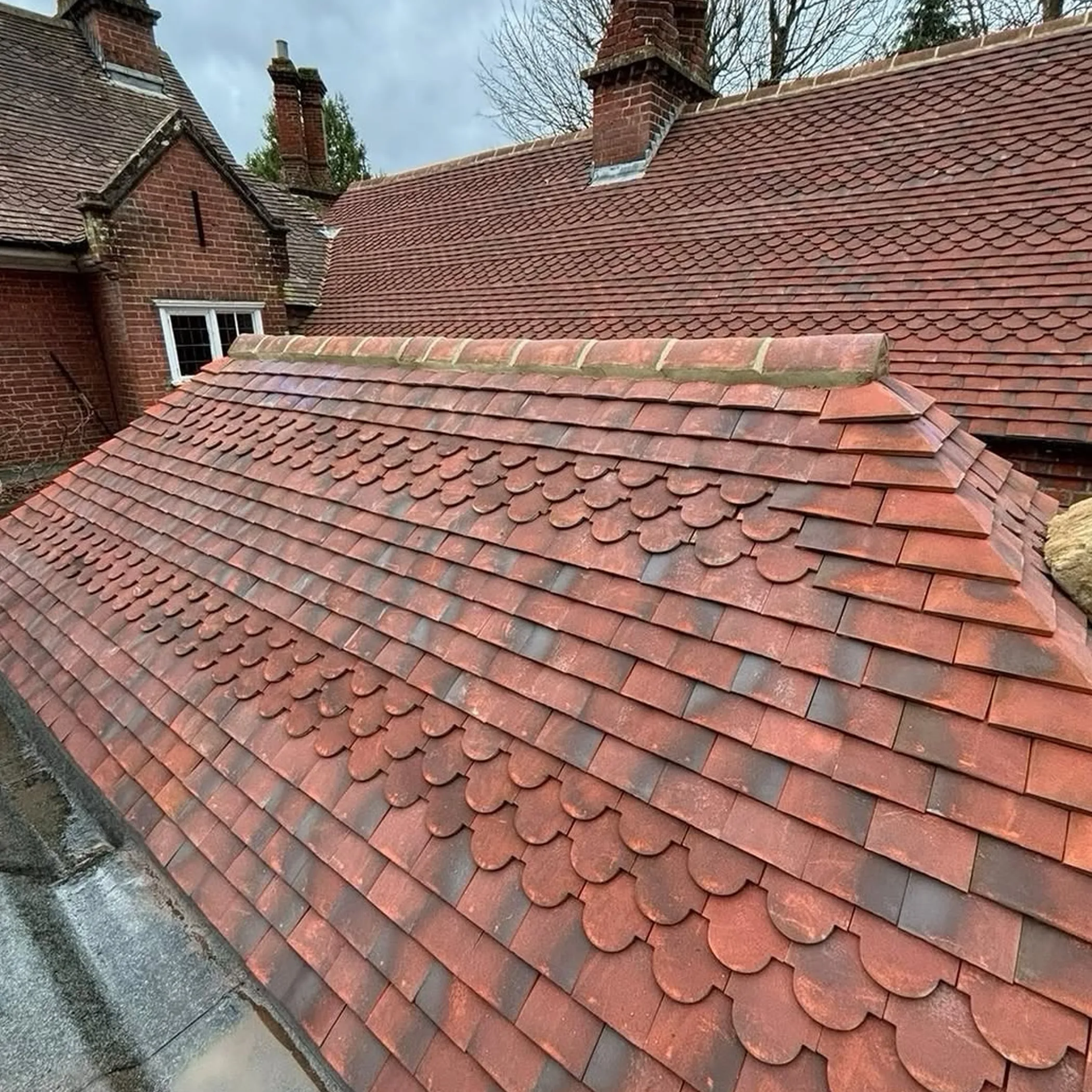
In an older home you will find trouble often originates with the ridge capping and mortar pointing. The former is there to shield the uppermost joints of a tiled roof and the latter to make sure the caps are sealed and held in place. They are prone to cracking and pulling away from the tiles eventually.
Light rain will not get through a small crack but heavy rain, or that driven by the wind, can be made to go sideways and under a joint. Homeowners are led to believe their roof is only occasionally at fault because of this. In truth the weather is just putting it to a harder test.
Look to the Ridge Line
From the ground one should check the ridge line for any unevenness or loose caps and missing mortar. Valleys too, where the roof planes converge and water runs in quantity. There the leaves and detritus can accumulate and if the valley flashing is in bad order it will let water into the roof space.
Should the mortar pointing be gone in large areas, a patch on a visible crack is merely postponing the inevitable. Depending on how the roof is faring, a plumber might suggest repointing, a flexible bedding system, new capping or something more involved.
Weather and Age Take Their Toll
As roofing materials age they are less forgiving of the elements. Sealants harden and shrink, metal can corrode at the fixings and tiles grow brittle. Hot and cold cycles put a strain on fasteners and joints as they move the materials ever so slightly.
Victoria is no stranger to all manner of weather, strong winds on the coast, cold wet winters and the odd summer storm. A single event with hail or wind-borne debris is enough to see damage to your gutters, flashing and tiles. Even after a big storm the roof can look fine while water has found its way underneath.
Make a Habit of Seasonal Inspections
Before the wetter months set in and in the aftermath of any severe weather do a visual check. See that the downpipes are discharging clear of the building, clear out the gutters and have a look at the ceilings. For a regional property there is also the matter of bird nests and overhanging branches left to their own devices for too long.
It is much like RACV thinking when it comes to the roadside: better to prevent a problem than be waiting for it to fail when it suits. An inspection of the roof will show up blocked drainage or a tile on the loose before a downpour makes of it an emergency.
Be Wary of Shoddy Repairs

It is not always the age of the material that is to blame. A hasty repair or an ill-considered penetration opens up new routes for water. Vents, plumbing outlets, satellite dishes and the like need to be properly flashed and sealed.
A thick bead of silicone is not a panacea; it can hide corrosion and hold water, complicating matters later. And a patch put over rust or a joint that is still moving will split once the roof does, however neat it looks for a few weeks.
Faulty Installations
Sometimes a leak is the surprise after some other building work has been done. Be it an extension, a new air con or solar array, the contractor may have disturbed a tile or left a penetration inadequately sealed. Make a note of the date and take some pictures of the ceiling in question and ask for an inspection of the work.
Having your invoices and notes at hand spares the roof plumber from having to guess at what has changed. If the roof is coming to the end of its days and multiple patches are failing, reroofing is the sensible course of action.
Catch It Early
There is less damage to do to the timber, plasterboard and electrics if one is on top of things. Have a good look at the roof system from both sides, the inside for the telltale signs of where the water is making its way and the outside for any defects.
A homeowner will find that leaks in a Victorian roof are not a matter of finding some conspicuous hole; it is more a case of correlating the weather, where one is and the time. One should make a note of if the leak has come on after a spell of light or heavy rain, with the wind in a certain quarter, or following a blocked gutter.
| Warning Sign | Possible Cause | Useful Next Step |
|---|---|---|
| Brown mark on ceiling | Could be the roof covering, pipe penetration or flashing | Put in for an inspection and take a photo |
| Dampness in the ceiling once the heavy rain has passed | Wind-driven rain, a problem in the valley or blocked drainage | From the ground have a look at the gutters, then put in a call to a roof plumber |
| Mould by the eaves | Condensation, overflow or moisture that lingers | See to the external drainage and ventilation |
| Water about a skylight | The frame drainage, seal or flashing has given way | Have the junction given a professional once-over |
| Tiles or ridge caps on the loose | Storms, movement or mortar pointing no longer holding | Organise for repairs and keep the area clear of people |
Inspection made simple
A torch will be of use in the roof space to spot daylight through the covering, water trails, dark timber or damp insulation. Fresh debris or droppings can point to an opening as well. Stick to structural framing for your footing and stay away from electrical components. In the heat of the day it is best not to be crawling in a confined roof.
Should you find water in the vicinity of a light fitting, switch off the circuit provided there is no risk in doing so and get in touch with a licensed electrician or the emergency services. Furniture should be moved from the area and buckets kept at a remove from any electrical gear.
Dealing with a leak in a safe manner

On discovering a leak, the first order of business is to contain the water inside and record the damage. The approach is straightforward: safeguard people, mitigate any electrical danger and see to limiting what interior damage there is before a qualified assessment is put in hand.
- Get valuables, rugs and furniture out from under the leak and put something to catch the drips.
- From a safe vantage point photograph any mould, stains on the ceiling or external debris.
- A storm induced leak would warrant a call to the insurer to enquire as to what they want by way of documentation or emergency mitigation.
- If the roof is hard to get to, steep or of a fragile nature, engage a roof plumber of good standing for an inspection.
Under no circumstances go up on a wet roof, put weight on a fragile tile or set a ladder by overhead powerlines. WorkSafe Victoria has the official word on working at heights. For their part a professional may require a second pair of hands on site or edge protection and access equipment.
When replacement is the better option
The cost of remedying a roof leak across Australia is dependent on the size of the roof, how many faults there are, the materials and urgency involved. You may be looking at modest figures for a small seal or a tile but reroofing, structural timber work or new gutters and flashing are another matter altogether. Get a written scope that makes the distinction between labour, materials, temporary measures and the like.
Planned maintenance is less of an expense than after-hours calls. With a roof that is showing its age in the form of brittle tiles, rust or failed ridge details and the same leaks coming back, question whether repair is sound economics for the years ahead. A low quote can be a false economy if it is only deferring the issue.
One day to act?

Then leave the roof to the experts and make sure you have the evidence and safety covered. Begin the day with a ground level inspection of the gutters, roof-space access and ceilings. Once you have some photographs and the weather conditions are on record, put in a call to a roof plumber.
In the case of a rental, get written word to the owner or agent without delay. If it is an owner-occupied residence, make sure to put down in writing any visible symptoms with the date. Make a safe path to the front and back of the property for the tradesman and do not park under eaves in disrepair or any branch that looks as though it could come down.
- What one should put first is the vicinity of the latest water stain, along with the closest gutter, valley, vent, skylight or chimney.
- Leave the roof climbing, tile work, anything electrical and repairs on a steep or multi-storey roof to others; not something for a novice.
The idea is to provide the contractor with what he needs and not make a ladder incident out of a leak. A mozzie is one thing but a fall makes for a much bigger story.
Frequently Asked Roof Questions
Homeowners with Victoria properties will ask these over and over in the course of looking into a roof leak. While the answers are meant to be of practical use in making a diagnosis, an on-site visit is called for if there is any serious damage.
Why Does My Roof Leak Sometimes And Not Others?
It is a matter of where the water is on the roof and how hard the wind and rain are. Light rain may be no problem for a small gap, but put enough pressure on the gutters with heavy rain or let the wind force its way under the flashing and tiles and it will fail.
What Are The Most Common Reasons For A Roof To Leak?
One will find them in the form of cracked, broken or slipped tiles, blockages in the downpipes or gutters, storm damage, loose ridge capping, failed mortar pointing, and so on. Then there is damaged or deteriorated flashing and roof penetrations that have not been well sealed.
Why Does My Roof Only Leak During Heavy Rain?
The volume of water in a short time can be more than blocked or undersized gutters can handle. Calm weather may leave certain joints dry but the wind will put water there. It is good to know the pattern for diagnostic purposes, but it does not mean the leak is of no consequence.
How Do I Find The Source Of A Leak In My Roof?
Make note of where the water shows up and go to the roof space to see if there is damp timber, daylight or other trails. Work your way up to the ridge or nearest valley, flashing junction or penetration. The fault on the outside will not necessarily be above the stain inside since water has a way of running along the framing.
Can I Repair A Leaking Roof Myself?
For debris at ground level or to put down a container indoors by way of a stopgap, perhaps. But there are risks with heights and electricity when it comes to climbing and repair. Engage a qualified roof plumber for the tiles, ridge capping, flashing, structural issues and leaks that keep coming back.
Protect Your Victorian Home

Victorian homes tend to have their share of roof leaks from poor maintenance, the elements, old joints and coverings, inadequate flashing or drainage. A few checks, some clear photos and timely advice from a professional will stave off the kind of internal damage that a wet ceiling can lead to.
As Emily Whitmore would put it: look from the ground, take the weather in, have respect for heights and electricity and do not think a tidy patch job is going to hold. It is all the less trouble to maintain a Victorian roof before the next big storm rolls in.
