You can make a rule of it: permanent makeup sun protection is important from the outset. Yet for the first few days while you are healing, the protocol is straightforward. Do not apply sunscreen to broken skin and stay out of the direct sun. After the artist has confirmed healing is proceeding as it should and the skin is properly closed, then you put on a good broad-spectrum SPF 30 or 50 every day; it will do more to preserve the pigment than most would think. Consider refreshing your permanent makeup to maintain its vibrancy.
Over here in Australia there is no getting around it. The UV is unforgiving on a day that seems mild enough and people are taken aback by it following eyeliner tattooing, lip blush or brows. I am Emily Whitmore and my view is that if you are out of doors, whether driving, at Pearl for a walk, in the pool or having a coffee by a sunny window, some form of sun protection for your cosmetic tattoo is a must.
The Australian Difference
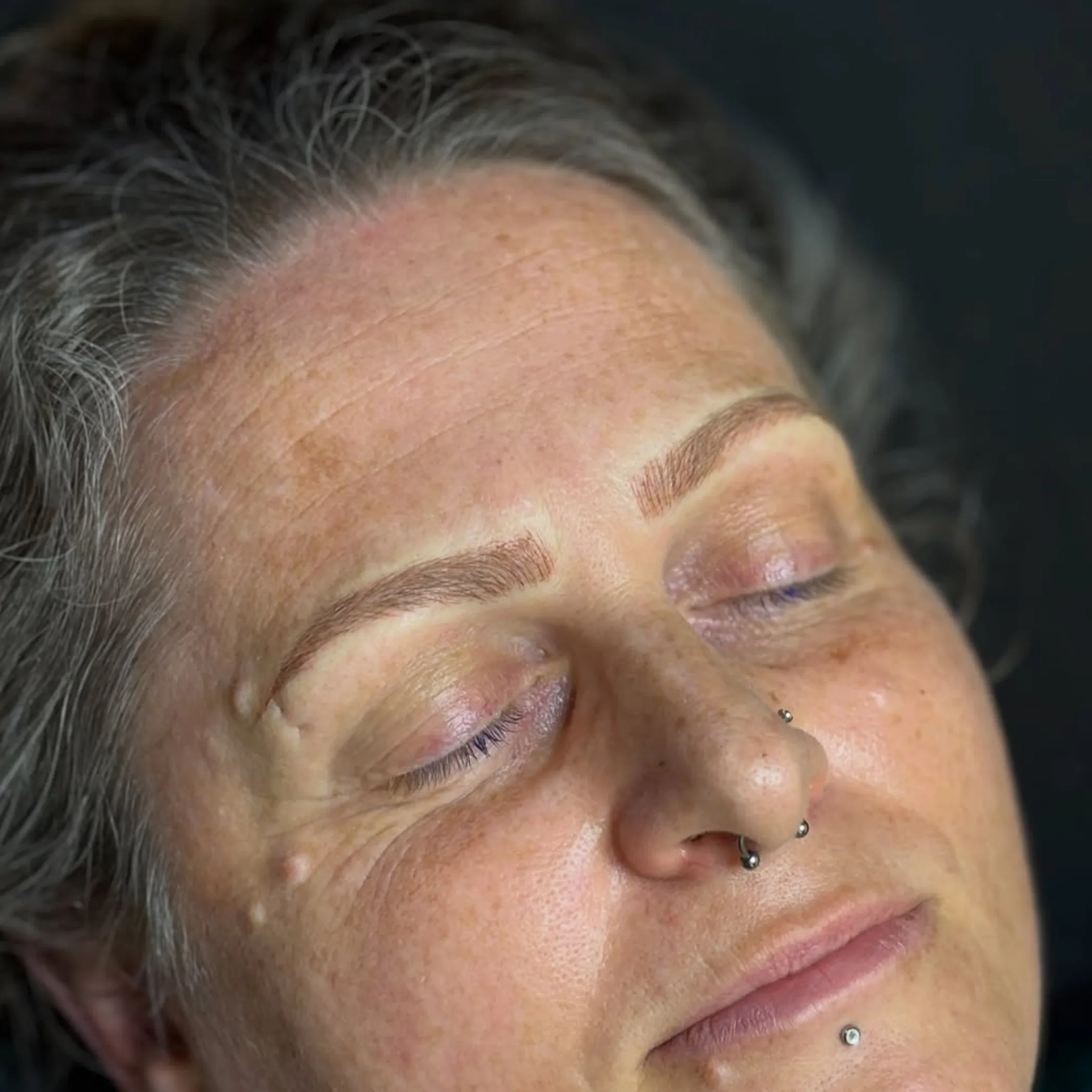
One does not consider sun care an afterthought when it comes to the outcome of a treatment in this country. With our beach lifestyle, sport and the fact we live half our lives outdoors, the fresh pigment is put under more duress than clients are used to.
People have a tendency to think only a day at the beach is exposure. More often the damage is done on a Saturday at the farmer’s market, in the car with your face to the window, or on the school run.
Then there is the UV
The Bureau of Meteorology will tell you to put on protection when the UV Index is 3 plus, and their levels are high to extreme on a regular basis (see the BOM forecast for the national position). This is of consequence since repeat UV will hasten the breakdown of even fully healed pigment. An aftercare sheet from overseas with its softer UV in mind is not going to cut it in Australia. You have to factor in the heat and sweat and those weekends at the beach where one is inclined to get back in the water.
On The Subject Of Fading
To put it in plain terms rather than like a brochure, UV will inflame the skin and break down the particles of the pigment. Put them together and you have results that turn ashy or patchy, or go warm and light before they should be. Skin colour and technique will vary but the pattern holds true: more sun, faster fading. At home it is something you have control over if you do not want to see your permanent makeup fade.
Reality Check
It is easy to think once the scabs have fallen off you are in the clear. In fact the first fortnight is about protecting the healing, the next year is about the colour. That is the sort of thing that gets artists and suppliers like Biomaser Tattoo talking up maintenance, and why you will hear it from training outfits such as The Maine Stroke, Halcyon Cosmetic, Elite PMU, JoAA, Cosmetic Tattoo Melbourne and the Australian Beauty School.
Some clients are put out to find their well healed work has gone early on account of daily sun and an active skincare regimen, not to mention any touch-ups that were neglected. But then again, sometimes you just have to put it down to Queensland being Queensland.
A Matter Of Discipline For The First Two Weeks
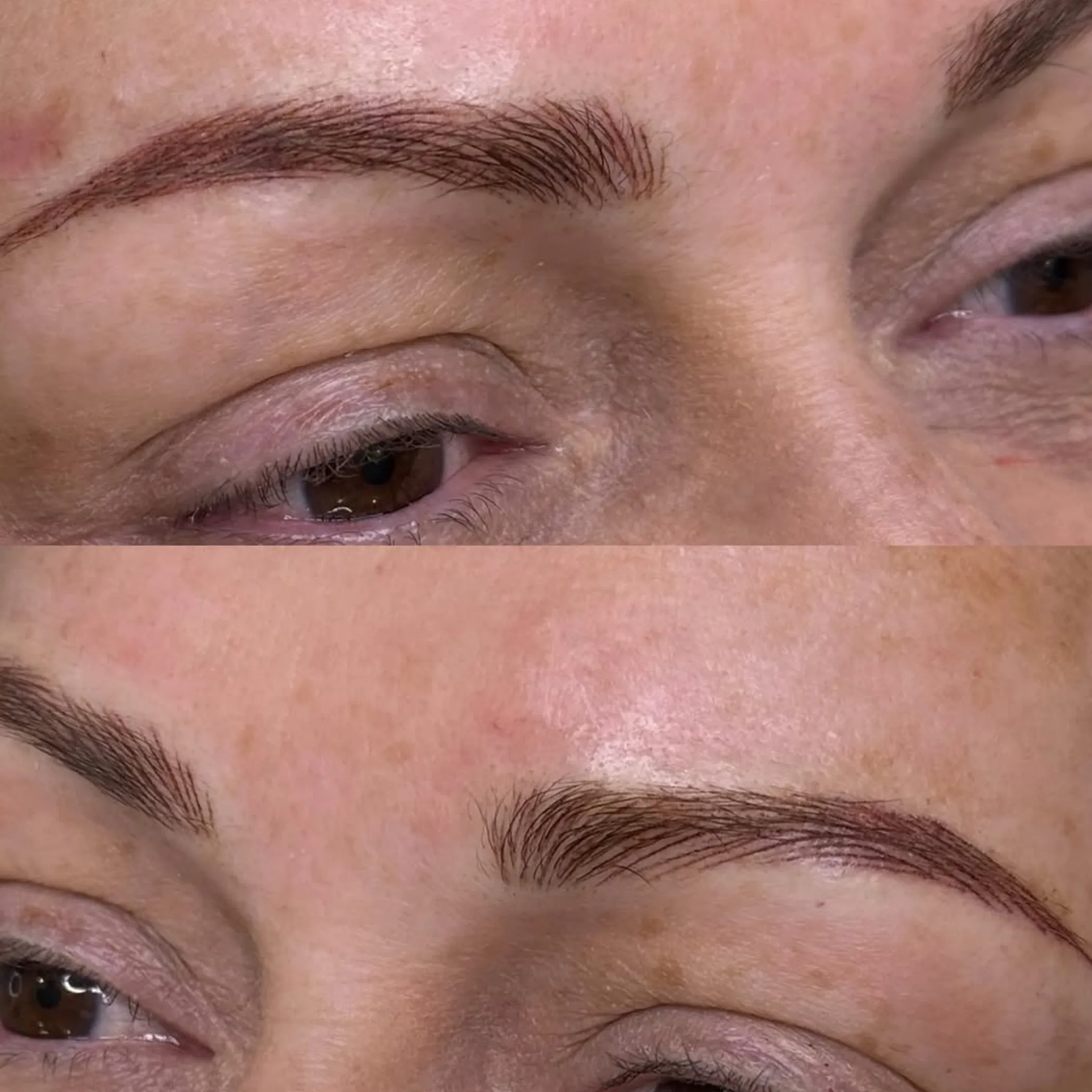
Fresh permanent makeup is a form of controlled trauma to the skin. From day one to 14 you are either making things hard for yourself or you are minding the result. It is a case of keeping it dry and clean and free of friction, heat and UV.
That is when impatience sets in. By the fourth or fifth day the area is less of a spectacle and one is feeling alright, so the rules get bent. Trouble is usually right around the corner.
Early On, Leave Well Enough Alone
If your artist has said to hold off on the gym, do so. No saunas, steam, salt water or pools. And leave the flaking skin alone. Retinoids and exfoliants in the vicinity of the treated zone are to be shunned as they can cause uneven fading down the track by irritating the skin.
With microblading the brow is on full display so aftercare is paramount. Fresh lips are another matter; they do not take kindly to dehydration, the heat or anything spicy, so sun protection is called for with a lip blush as well. There are certain pitfalls to the aftercare of permanent eyeliner, not least the temptation to put on too many products in a hurry or to rub and water the eyes.
- Unless your professional has given you the go ahead, keep sunscreen off any skin that is weeping, broken or in the process of flaking.
- Chemical sunscreens in particular should be shunned on broken skin as they have a way of stinging and aggravating what is already vulnerable tissue.
- Healing means no swimming or sauna use, do not be fooled if it appears fine from afar.
- Stay away from active skincare in the vicinity, physical scrubs, retinoids and acids.
Barriers are preferable to SPF in the early stages
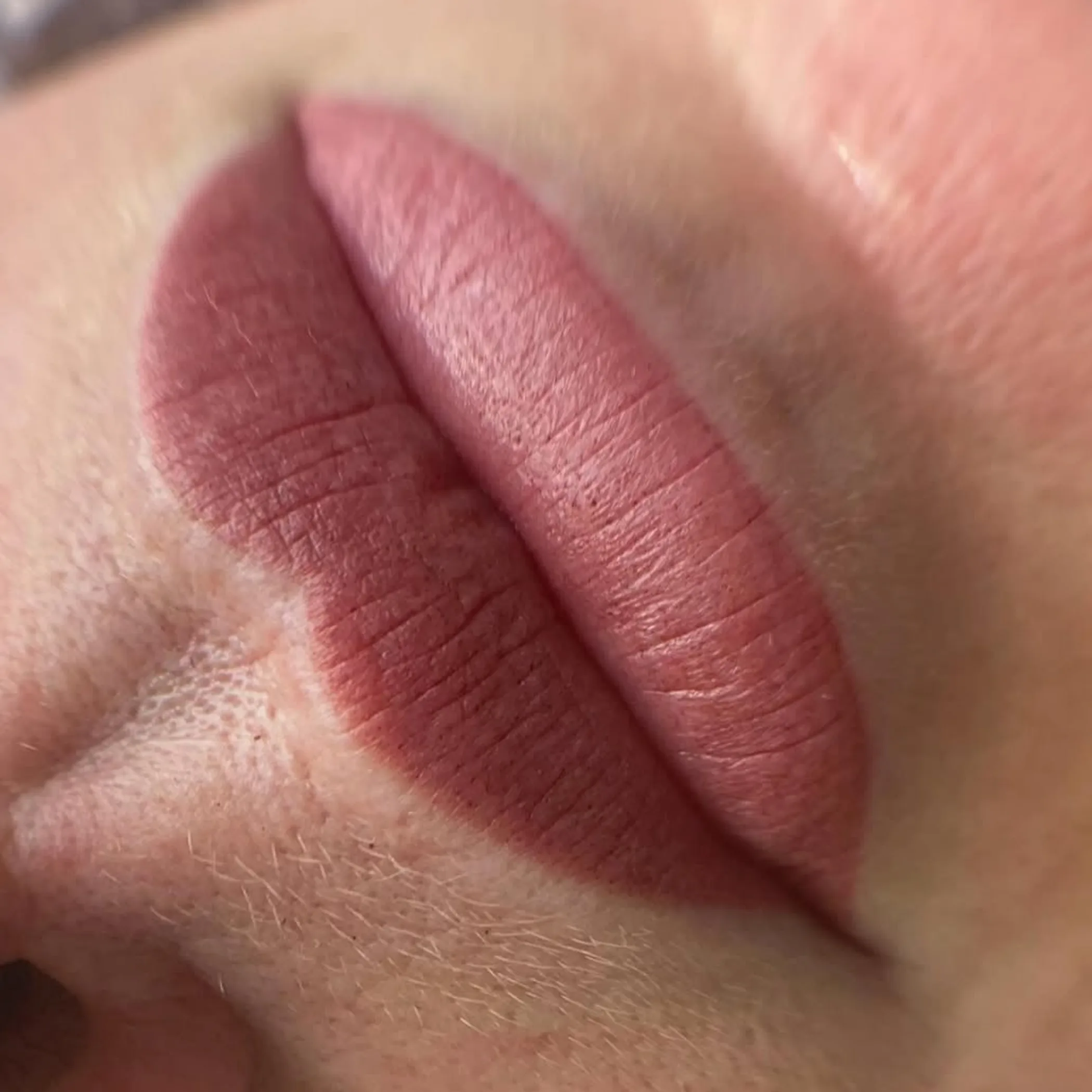
A hat, some shade and a pair of sunglasses will serve you better for a week or two. It may not be very glamorous but it is a lot safer than applying the wrong thing to fresh skin.
Emily Whitmore has a practical approach: so long as the area is healing, be croc-wise with UV and give it a wide berth. Do not put your luck to the test on account of a cloudy sky or because you are “only ducking out for ten minutes”.
The best protection while you heal
For lip blush and brows a wide-brimmed hat is superior to a baseball cap in affording an even shade over the face. Large sunglasses are good for the eye post-eyeliner. Make a point of sitting out of the window glare when you are commuting; if you are back at work outdoors for a day, put your time in the shade before you think about products.
This is not the week to be pushing it with fresh PMU. Leave the long beach days, hot yoga, surf and hiking on unshaded tracks for later. Or a weekend up north in the wet season where one is packed in like sardines with the heat and sweat.
When can one use sunscreen?
In plain English, the answer to this after microblading is dictated by how the skin is healing, not what the calendar says. The majority of artists will tell you to hold off until the skin is done with its 10 to 14 day healing and is no longer open or tender, but their instructions are to be followed first. When in doubt, ask. A couple of days of caution is worth more than throwing a wrench in the healing process.
Applying SPF without issue
After the skin has healed, put on sunscreen with a light touch using a clean finger, do not rub at it. For the lips a product made for the purpose is in order since eating and drinking will see it gone in no time; reapply accordingly. With microblading, SPF should figure in your morning routine as a matter of course and not just when you are in a lather for the beach. Reapplication is as important as the first application if you are out in the elements and wiping your face.
On the formula
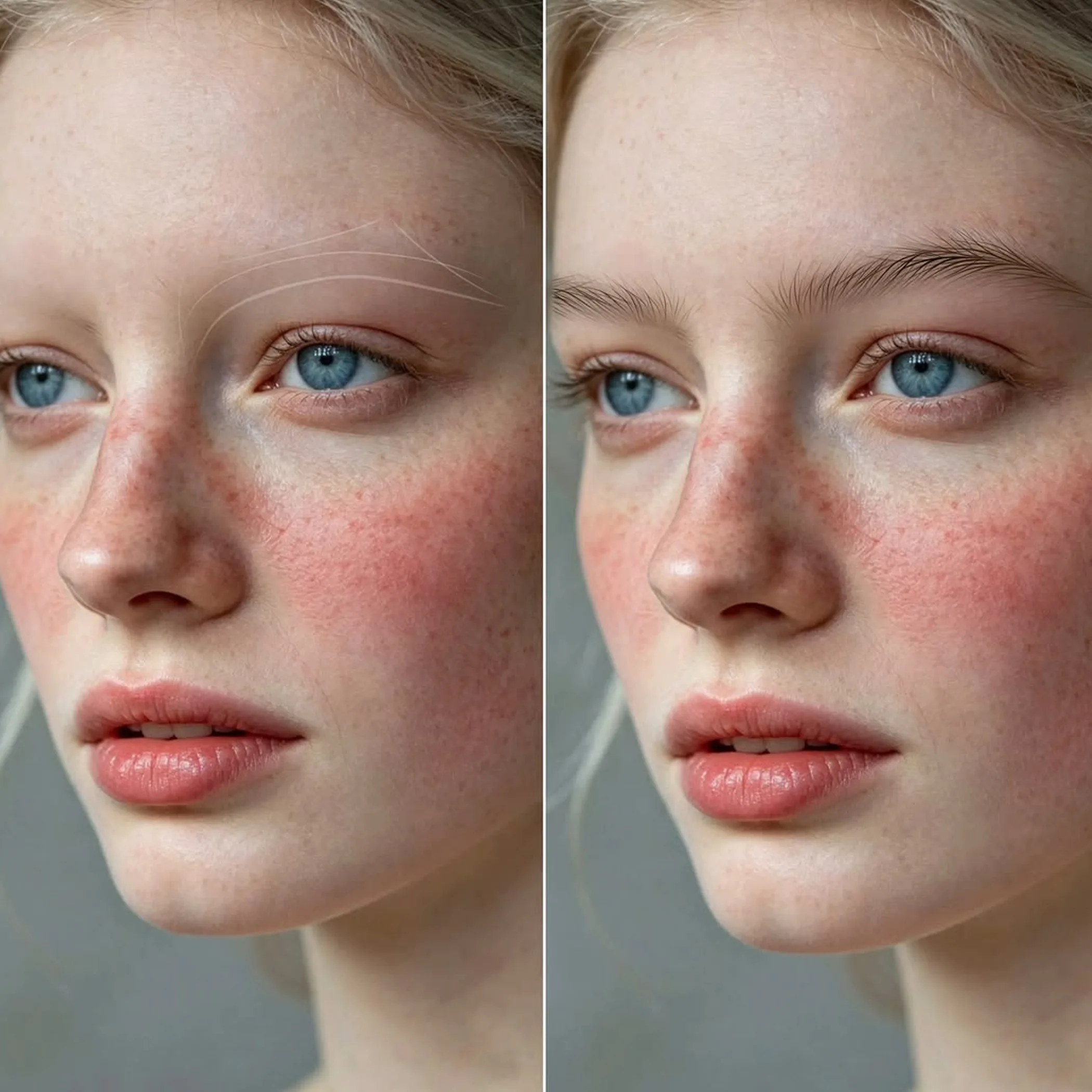
You want at least a broad-spectrum 30+, but in Australia SPF 50 is the more sensible option if you are going to be outside for any length of time. Mineral sunscreen is well received by many on the eyebrows and around them once they are healed.
Zinc oxide and titanium dioxide are mineral filters that are generally well put up with, particularly by those with sensitive skin or who have been stung by a sunscreen in the past.
What tends to be the safest bet
A mineral formula with little fragrance for the brows. A proper SPF lip product for the lips rather than making do with some face sunscreen. With eyeliner be mindful of migration into the eye and use only what is meant for sensitive skin.
La Roche-Posay Anthelios UVmune 400 comes up in conversation but whether it is right after PMU is a question of the treated area and tolerance of the ingredients. Brand is as much a consideration as the timing of use.
| Area | Healing Priority | Best Early Protection | After Healing |
| Brows | Keep dry and out of the direct sun | Wide-brim hat, shade | Broad-spectrum SPF 30+ or 50 (mineral for the brows) |
| Lips | No heat or irritation | Shade, hat, curtail outdoor time | Frequent reapplication of SPF for lip blush |
| Eyeliner | No rubbing or watery eyes | Sunglasses, shade | Once fully healed, sunscreen used with care |
Brows, Lips, And Liner
There are variations from one treatment area to the next which will have a bearing on aftercare. One finds that a blanket approach is where things go awry. While the general principles do not change, the finer points of implementation do.
It is a matter of logistics in the end. Put aside any notion of an idealised skincare ritual and be more pragmatic about what is workable on a Brisbane workday or a blustery afternoon out by the coast.
Brows
They are put under constant UV and for those with actives on the forehead they will tend to fade all the quicker. As far as aftercare for brows in Australia goes, make sure there are hats in the car, put on some SPF prior to an outdoor lunch and at night do not let exfoliating products encroach on the brow zone.
Lips
The thing with lip blush is that sun protection gets neglected; one might think of balm for chapped lips but not of SPF to hold the colour. Between the sun and salty food and the friction of eating and drinking, the result can be worn down. An SPF for the lips is an easy addition to your routine.
Eyeliner
With permanent eyeliner aftercare you want to be judicious in shielding the eye area as opposed to putting SPF right on the lash line. Be sensible with product placement and make use of sunglasses and shade. Should your eyes be prone to stinging, the artist will be able to advise once it has healed over.
Preventing Fading in the Long Run
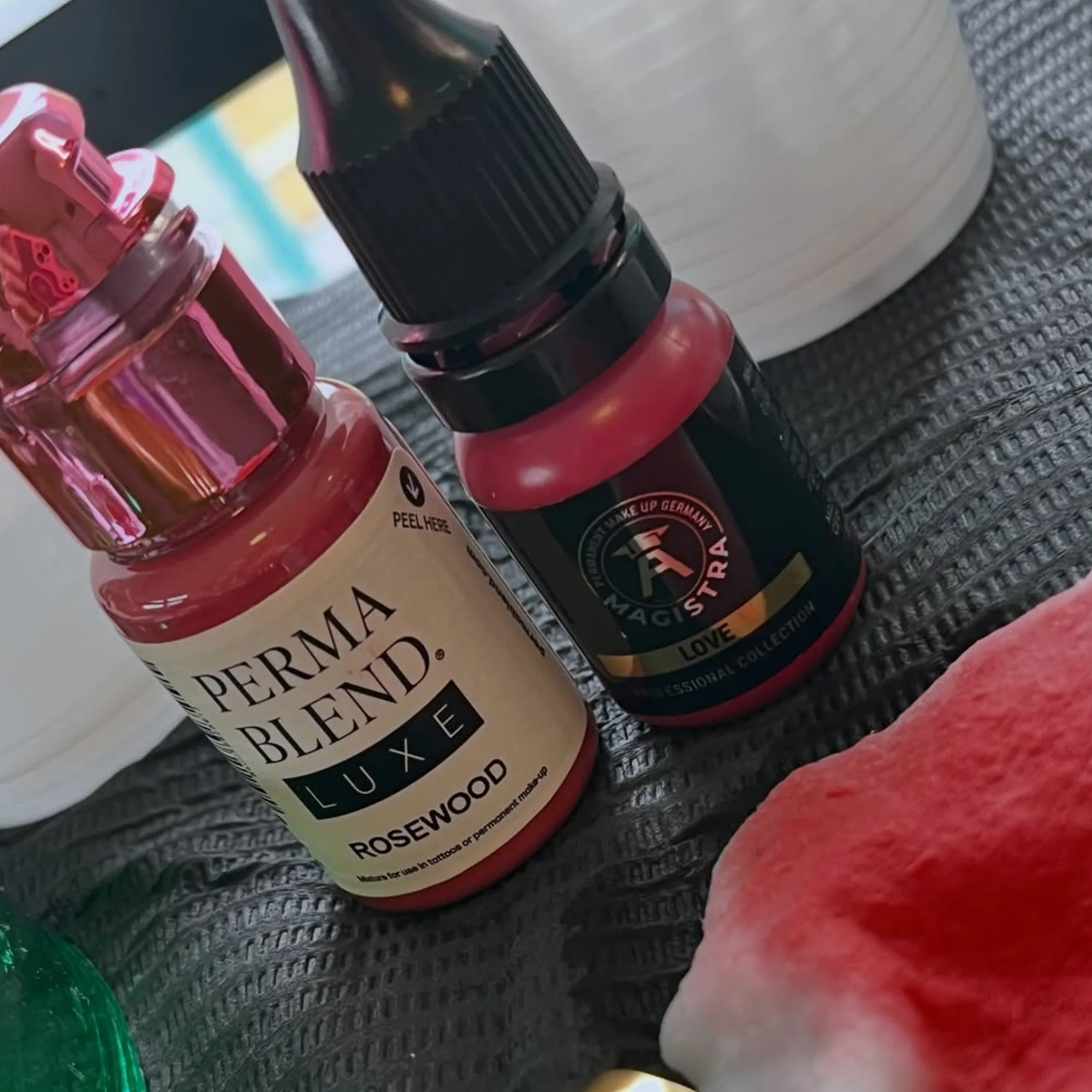
To retain colour you need a routine, not a rescue operation. Better to maintain properly than put in frantic corrections down the track. This means being sun-smart and having the right expectations of how a tattoo will eventually fade. When you have been good to the original work, a refresh of the permanent makeup is less of an ordeal. A result left to be scrubbed with actives and baked in the sun for months will require more correcting.
A Routine of Maintenance
On any healed area, particularly if you are out of doors a lot, apply a broad-spectrum SPF 30 or 50 every day. Unless the artist has indicated otherwise, keep retinoids and harsh scrubs and acids well clear of the tattoo. Even post-healing, physical barriers are called for if you are on the beach or a boat at weekends or out for long walks.
People are caught by cumulative exposure. It is not so much the odd day in the sun as it is dozens of unremarkable ones, hence why consistency is key to any cosmetic tattoo sun protection.
- When healing is underway and you are to be out for the day, get into the shade and wear a wide-brim hat.
- Those who work outdoors should make time to reapply and don physical barriers daily once the area is done healing.
- And with anti-ageing products, leave the actives out of the tattooed zone to forestall early fading.
Touch-ups
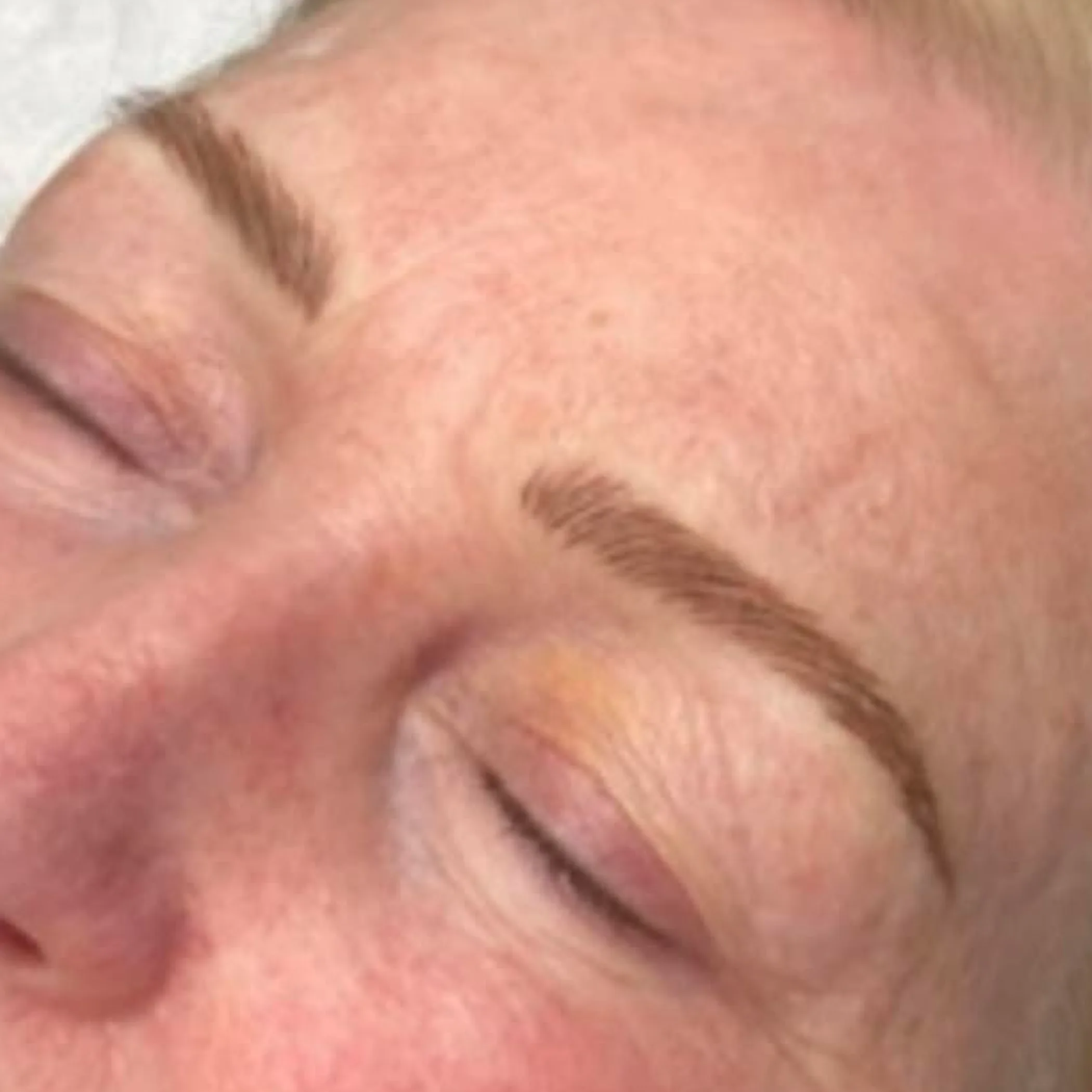
Do not mistake them for something amiss. They are part and parcel of the process. After the first session most permanent makeup calls for a follow-up and then upkeep is a function of skin type, the colour you have chosen, your aftercare and the like. Your provider’s plan is the one to go by as technique and artist will dictate the schedule. You can put some common signs to the test to see if your pigment is on the move.
Signs It Is Time
Be on the lookout for colour that is patchy, soft, uneven or not as well defined as before. When the tail of your brows has a way of vanishing, lip blush is no longer in shape or eyeliner appears to have broken up in places, do not put off maintenance until there is nothing left of the original work. Make an enquiry sooner than later.
Those with an outdoor life in Australia should book in early. A good deal of time in the sun on a road trip or commute, or out bush walking and at the surf will not do any favours for the longevity of healed work. Put in the maintenance now and you are less likely to need corrective work down the track.
Some Common Questions
There are aftercare questions that get asked time and again, often once one is home from the appointment and begins to second-guess oneself. Then again, fresh PMU has a habit of making even the most level-headed person eye their reflection as though disarming a bomb.
What sunscreen is best post-microblading?
Once fully healed an SPF 30+ or 50 of the broad-spectrum variety is in order. For sensitive skin a mineral with zinc oxide or titanium dioxide is the choice of many. While healing, stick to hats and shade; only use sunscreen if the artist has given the nod for a particular product.
Is it all right to be in the sun after microblading?
Not during healing, then no, direct sun is to be avoided. After the fact, yes, so long as you have the area covered with SPF and other barriers. Leaving it to the elements is a sure-fire way to see the result fade.
What should I not be doing after permanent makeup?
Nothing on broken skin by way of sunscreen, no picking at what is flaking, and stay out of the pool or sauna while you heal. Retinoids and exfoliants are also to be shunned around the treatment zone as they are liable to cause irritation and make fading uneven.
When can I apply sunscreen after microblading?
In about 10 to 14 days when the skin is no longer open or tender, but take your cue from your artist first. Any doubt and you might as well wait and put it to them.
Does the SPF really matter?
It does. To stave off premature fading it is hard to beat. Here in Australia the UV is such that daily protection will tell over time, particularly with brows and lip blush.
The bottom line
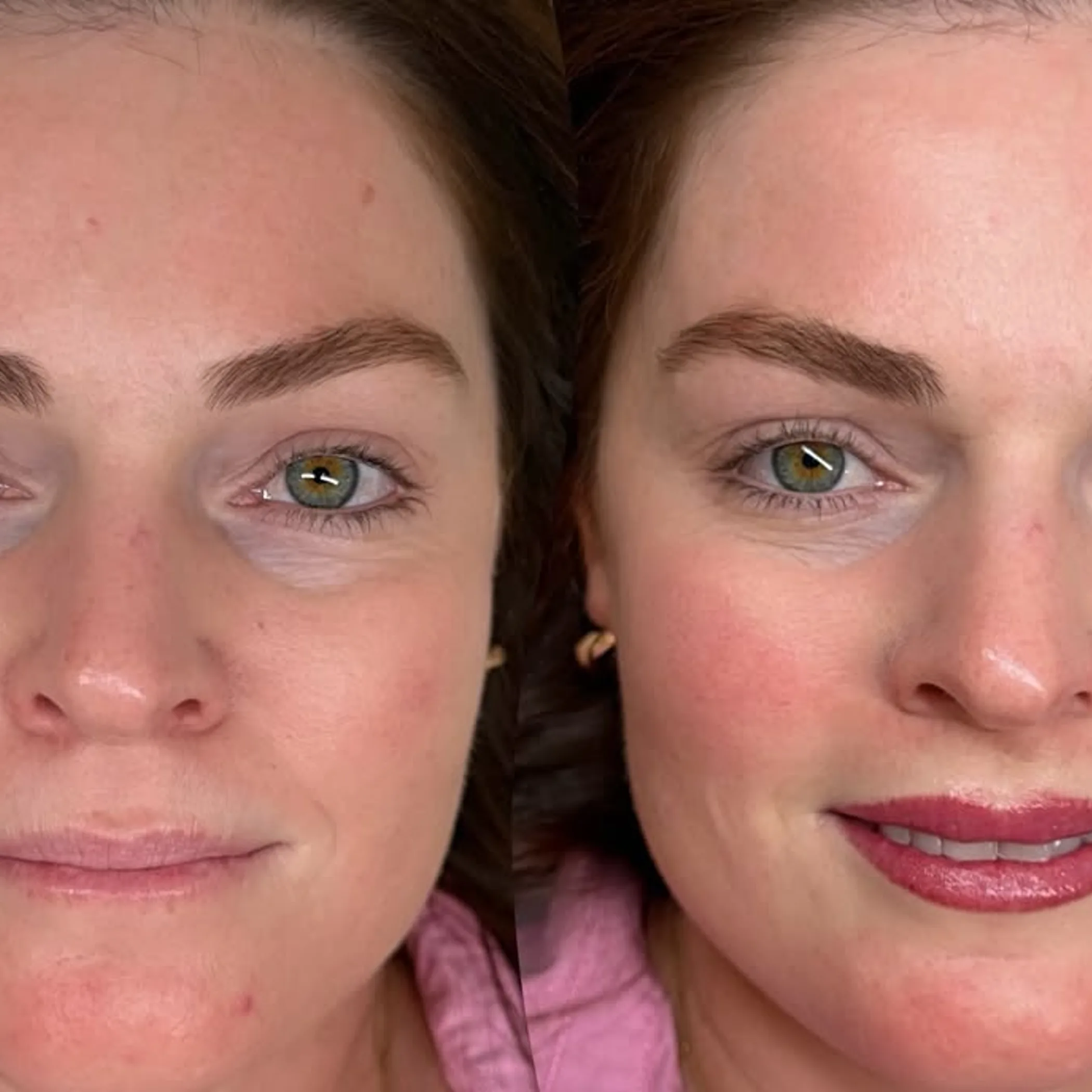
To put it briefly: while you are healing, use some common sense and let the hat and shade do the work of keeping the sun off. After that, a broad-spectrum SPF 30+ or 50 should be part of your day in these conditions and actives should be kept at bay unless the artist advises differently.
Permanent makeup is supposed to be a convenience, not something to have you in a tizzy whenever the UV index goes up. But in Australia you have to accept the sun protection that comes with it. Be consistent and sensible and your liner, lips or brows will age much better than if you let them go flat as a pancake.
