Before a pipe gives way, it is something of a necessity for any property manager, tenant or homeowner to be able to locate and operate the main water shutoff valve in Australia. You will want to have found the main water isolation valve and turned it off without incident so as to put an end to a flood and not be left wading through what can only be called bad luck while you put right the leak.
My name is Emily Whitmore. I write from Brisbane and have been a renter, a helper to homeowners and, when household calamity strikes, a reluctant student of the situation. I have been known to waste time in a damp laundry after a hose has split and was soaking the floor. What took me by surprise was not the whereabouts of the valve but the fact that so many, myself among them, think the water mains tap is self evident. As a rule it is not.
Find The Valve Before Trouble Starts
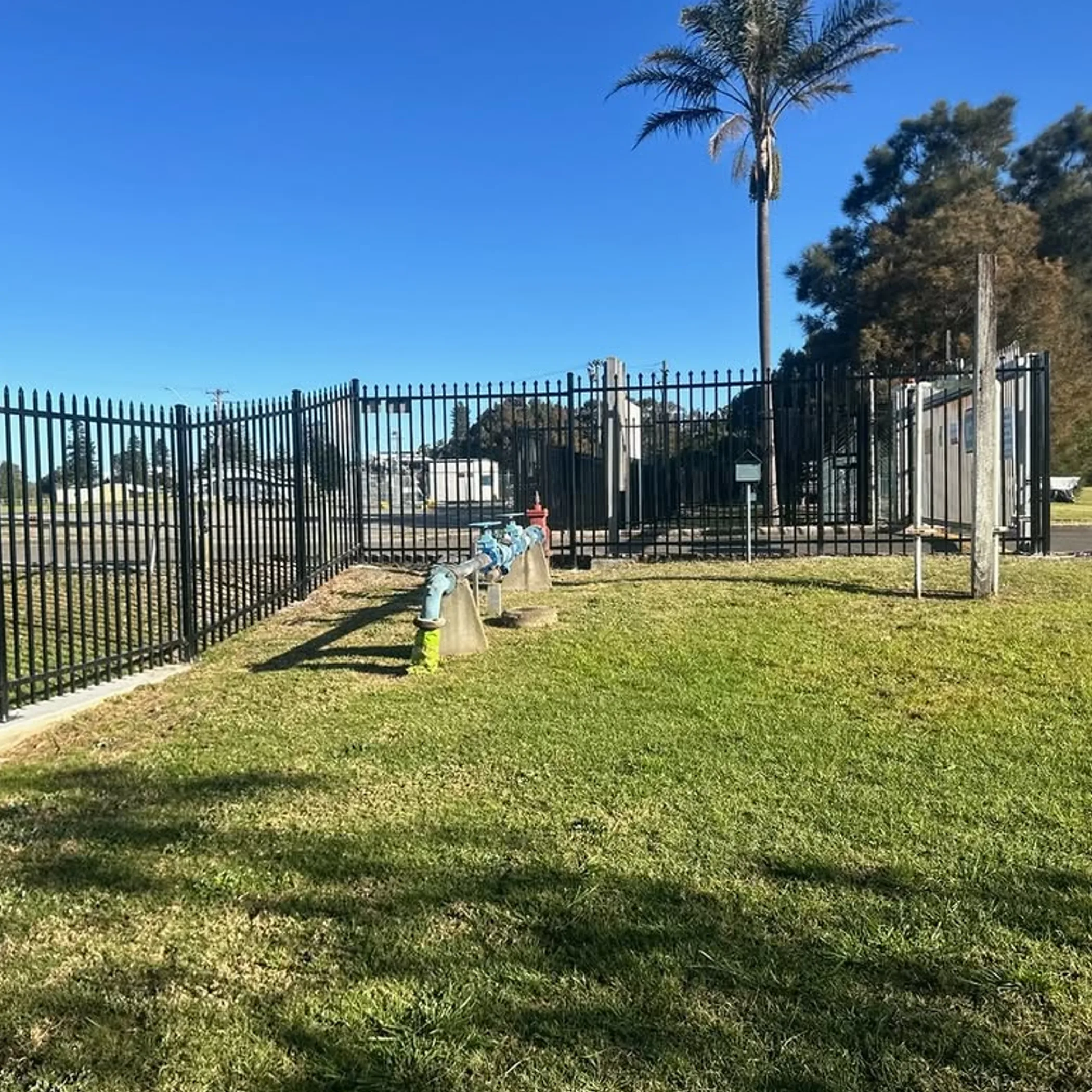
It is no contest between tracking down the valve on a quiet afternoon and having to do so next to a burst one. Make it a point to put aside five minutes or so to make out the water meter and any internal isolation valves and the tap next to it, then let the rest of the household know where they are. Learn more about top plumbing emergencies down under.
You will not come across a standard water shut off valve location on an Australian property. Be it a house, unit, commercial or strata building, the age of the home and the block layout and the local water authority will all factor into its position.
Check The Usual Outdoor Spots
Make for the front boundary of the property. The water meter in the front garden is a good place to start, or near the driveway, the footpath or under a small cover of concrete or plastic. Some will have their meter in a narrow verge between the road and footpath or by the kerb.
The incoming mains pipe is where you will generally find the house water meter tap. A handle in the form of a small wheel is common, though a lever valve is the order of the day on more recent installations. It could be in the meter box or a little closer to the property. Do not be taken in by every tap in the vicinity thinking it runs the whole house; some are for the garden or irrigation.
For those in a rental, the landlord or property manager can tell you where the emergency shutoff is. In a strata or commercial building the valve may be marked by floor, tenancy or unit. Then there is the possibility of a building wide valve which is for the manager, a licensed plumber or maintenance contractor to see to.
Use The Meter As Your Landmark
When in doubt as to where the water mains tap is, go to the water meter. The water authority likes to have access to it without coming in the door so it is usually at the front edge of the block. Chances are the main valve is within reach of the meter and you will not need tools to get to it.
But do not try to force open the lid or dig about a covered meter. There may be electrical services or communications services in the box. Should the cover be in poor shape or jammed, put in a call to the water authority or a plumber.
| Property Situation | Likely Valve Location | First Safe Action |
|---|---|---|
| Detached house | Front boundary, garden, driveway or footpath by the water meter | Put an eye on the meter for a stopcock or lever valve |
| Older house | Front boundary, possibly under a metal or concrete cover | Find the tap handle, leave corroded fittings alone |
| Unit or strata building | Service cupboard, common area or by the unit meter | Strata manager will advise on the correct valve for your lot |
| Rental property | As with an owner-occupied home | Make the area safe and inform the property manager |
| Commercial property | Labelled service area, plant room or meter assembly | Call the responsible contractor per site emergency procedure |
Do not expect to find the same stopcock arrangement in every Australian suburb; there is no national standard for it. One has to remember that the various state and territory water systems mean the authority in question is a matter of where you are. They might be Sydney Water, Yarra Valley Water, South East Water, City West Water, Unitywater, Urban Utilities, SA Water, the Water Corporation, TasWater or Power and Water Corporation.
Turn Off The Main Supply Safely
Having located the valve, shutting off the main water supply is a simple enough matter. One has to be careful not to put an old or unyielding fitting out of commission; the objective is to halt the water without inflicting damage on a piece of hardware that has been minding its own business for the better part of a few decades.
Have your torch and dry hands at the ready and ensure there is no obstruction before you start turning anything. Should you find water in the vicinity of switchboards, outlets or any appliance, make yourself scarce from the area and get a professional in on an urgent basis.
The Proper Way to Turn It
A clockwise motion will shut the valve on a conventional round tap handle. “Righty-tighty” is the rule of thumb, but do not expect much from an Australian stopcock of a certain age; it can be gritty or seized up. Be steady and gentle about it. Leave the hammer and pipe wrench to a licensed plumber who has the equipment for it.
With a lever type, the supply is normally closed when the handle is turned to lie across the pipe as opposed to being in line with it. Parallel means open, across means closed. That is a good enough guide but not one to put all your faith in, so verify the flow once you have made the adjustment.
Once the valve is off, let a cold tap in the house run for a couple of seconds. Any left over pressure in the pipes will see some water come through for a while. When it has reduced to a trickle and ceases, you can assume the main is off.
An Emergency Protocol
There is no time for neatness when faced with a bad leak, only speed. Proceed as follows:
- Clear the wet zone of people, pets and anything of value.
- Shut the nearest fixture or the main valve.
- Only cut the power if you can do so from a safe distance.
- Release the residual pressure by opening a cold tap for a moment.
- Put down towels or containers where you can and contact the water authority or a plumber.
Under no circumstances go into a room that is under water if there are electrical cables or appliances that could be submerged. Water and electricity make for a thoroughly unpleasant mix; consider it an electrical emergency too.
Individual Fixtures Can Be Isolated
It is not necessary to cut the water to the whole house to deal with a wayward tap, toilet or washing machine. There is a local valve for that. Familiarity with the under-sink isolation valve as distinct from the main one will save you time in the event of a minor leak and spare you the usual domestic dispute over the last dry towel.
Close The Local Isolation Valve
To close the local valve, you will find it on the pipe running to the tap, behind the toilet or under the kitchen sink, generally in the form of a small screwdriver or round handle. Clockwise for a round one, or turn the quarter-turn lever across the pipe. A flush or a quick open of the tap will tell you if the supply has been stopped. If not, put the main valve off and put in a call to a plumber.
Do not neglect flexible hoses. An old, kinked or corroded braided hose can let out a lot of water in a hurry under mains pressure, so give them an occasional once-over under the sink or at the cistern.
What a Local Valve Will Not Do
Such a valve is limited to one outlet. The toilet valve is not going to check a burst in the wall, nor will the kitchen sink valve a dishwasher hose connected elsewhere. When in doubt as to the source of the leak, shut the main. You can put the shower on hold rather than risk the flooring or cabinetry to a hidden leak.
After You Have Isolated the Water
That is just the beginning. With the flow arrested, have a look around. See if the water has made its way into the cupboards or under the floor. More often than not the puddle you can see is the least of it, the water having already run along a pipe or under the vanity.
Inspect, Dry And Document
Dry out what you can with a mop or wet vacuum, provided it is electrically sound, and put furniture at a distance. Before you clean up, take some unambiguous photos, particularly for an insurance claim or if the property is rented. Give the walls, skirting and ceilings a good look for any softness or staining. And if you see a bulge in the ceiling, do not be standing under it; materials saturated with water are apt to be heavy and give way.
Record the time of shutoff, what you believe to be the cause and any action you have put in place. In the case of a rental, once the danger has been put under control it is advisable to put the property manager in the loop at your earliest convenience. You should also hold on to any receipts for temporary repairs, drying equipment or an emergency call out.
Reopening The Supply
Under no circumstances should the water supply be put back on until the leak is either fixed or you can safely isolate it. When you do, take your time with the main valve; opening it gradually as opposed to wrenching it wide open will let you see how the pressure is and if there are any new leaks.
Start by shutting all the taps and then nudge the main valve open. Make a tour of the house to look over the work you have done, the pipes that are exposed, the toilets and what is under the sink. Provided everything is dry, you can fully open the valve and give it a few minutes before checking for leaks once more.
Should you detect hissing, dampness or water where none was before, put the valve back. Leave the underlying fault to a plumber rather than some makeshift engineering with a towel.
Calling For Help
There is a line to be drawn between an emergency that calls for a quick shutoff and a plumber, and one that does not. If there is an electrical hazard, the valve is not to be forced or public infrastructure is involved, it is best to get assistance. This will keep your property safe and avoid compounding a fault that was otherwise manageable.
For guidance from the authorities, go through your water provider’s emergency contacts or the Australian Government’s consumer information via official Australian housing and construction channels.
Engage A Licensed Plumber
A licensed plumber is the answer if the main valve is leaking at the stem, broken, hard to get at or simply will not budge. One will also be needed for a burst pipe, a concealed leak, loss of water pressure or a faulty pressure-reducing valve and meter connection. They have the means to turn off the mains and put right private plumbing, and can tell you if the problem is within your boundary or in the public network. Do not tamper with a sealed authority fitting or take apart the water meter.
The Water Authority
Put them in contact if the footpath and road verge are under water, the meter is running over, the public stop tap is in disrepair or the leak is on the wrong side of the meter. Who is responsible for this differs from place to place; in some states or territories it will be Sydney Water, Yarra Valley Water, South East Water, City West Water, Unitywater, Urban Utilities, SA Water, Water Corporation, TasWater or the Power and Water Corporation.
In a strata building where a shared service is at issue, the strata or building manager should be told too. Closing a common valve without notice is likely to inconvenience other residents.
Frequently Asked Questions
Where in Australia is the main shutoff valve?
As a rule you will find it at the front of the property close to the driveway or footpath, in the garden or by the water meter. With commercial premises, older homes and units it could be in a plant room, common area or service cupboard.
How is the water supply to the house turned off?
At the meter there will be a lever valve or main stopcock. A traditional handle is to be turned clockwise to shut it, a lever is moved across the pipe. Put a cold tap on for a moment to let the pressure out and make sure the flow has ceased.
Which way does a shutoff valve go?
Clockwise for most round handles. A quarter-turn type closes when it is across the pipe. But if it is corroded or stiff, do not put force to it and ring a plumber or the water authority.
Who is on the hook for the water meter and stop tap?
That is a matter for the water authority’s rules and the location. They may well be in charge of the meter and any public side fittings, but inside the property the private plumbing is the owner’s concern. If you are unsure of the boundary, ask the authority.
What about a leaking toilet or tap?
Turn the lever across the pipe or the isolation valve under the basin or next to the cistern clockwise. Failing that, shut off the main and get a plumber.
The main water valve is stuck, what then?
Do not have at it with a hammer or a big wrench, a damaged valve will not close properly and the leak will be worse. Stand clear and call a licensed plumber, or the water authority if it is a public fitting.
Is a plumber able to cut off the mains?
They can. A licensed one will be able to repair many a fault and isolate the private supply. Where the authority’s meter or street connection is concerned they may have to liaise with them.
Putting the water back on post emergency
After the repair, the valve should be opened in a measured way. Watch the original trouble spot and the fixture connections as the pressure comes back. Any sign of renewed flow or hissing and you close the valve and call in a plumber.
Make it easy to locate the valve
An emergency shutoff is only any good if you can put your hands on it and know where it is. Have it labelled, leave the meter unobstructed and ensure staff or tenants are aware of the procedure.
I would put it this way: get to know your valve today and when the need arises, turn it gently and check for leaks before you put the supply back on. It is not much in the way of household knowledge but in a top tier plumbing emergency down under it will save you from a wet room turning into an expensive bill.
